
I just returned from a bucket list trip – a photographic safari in Africa. I went hoping it would teach me an entirely new set of skills, and it delivered. As an architectural and product photographer, I have spent years working with subjects that stay still. Wildlife photography challenged every instinct I had developed during 40 years behind the camera.
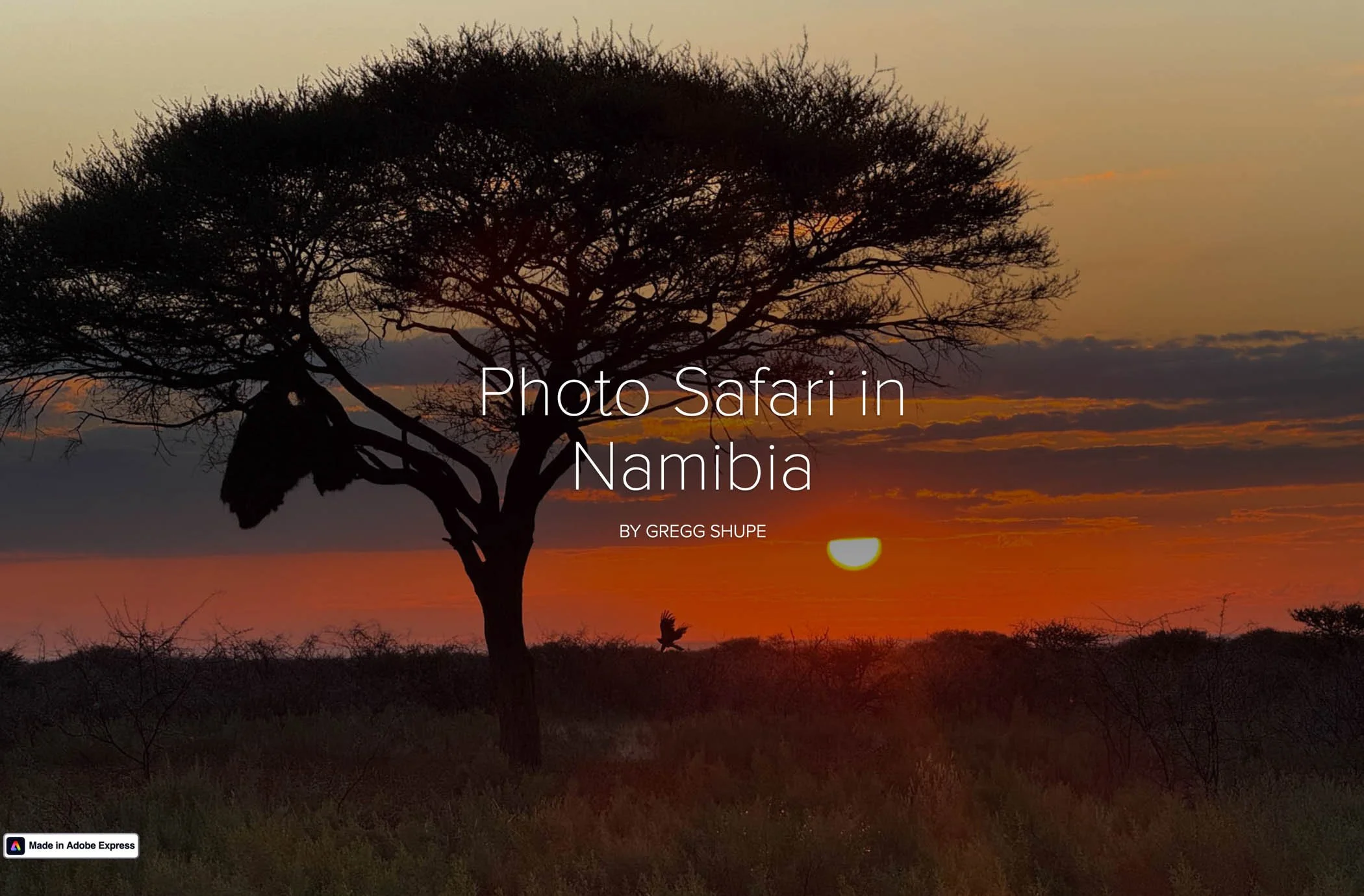
Click on image to go to African Web Story.
My safari to Namibia was organized by World Photo Adventure - one of the world’s premier photography tour companies led by Darren and Frazer Leal. These two talented Australians instincts are nothing short of extraordinary and they pushed me far outside my photographic comfort zone. We were also joined by Julieanne Kost, Digital Imaging Evangelist Director at Adobe Systems, who brought an additional layer of technical depth to our daily critiques and processing sessions. From photographing massive seal colonies along the Skeleton Coast to elephants, leopards, giraffes, and zebras, the experience was extraordinary.
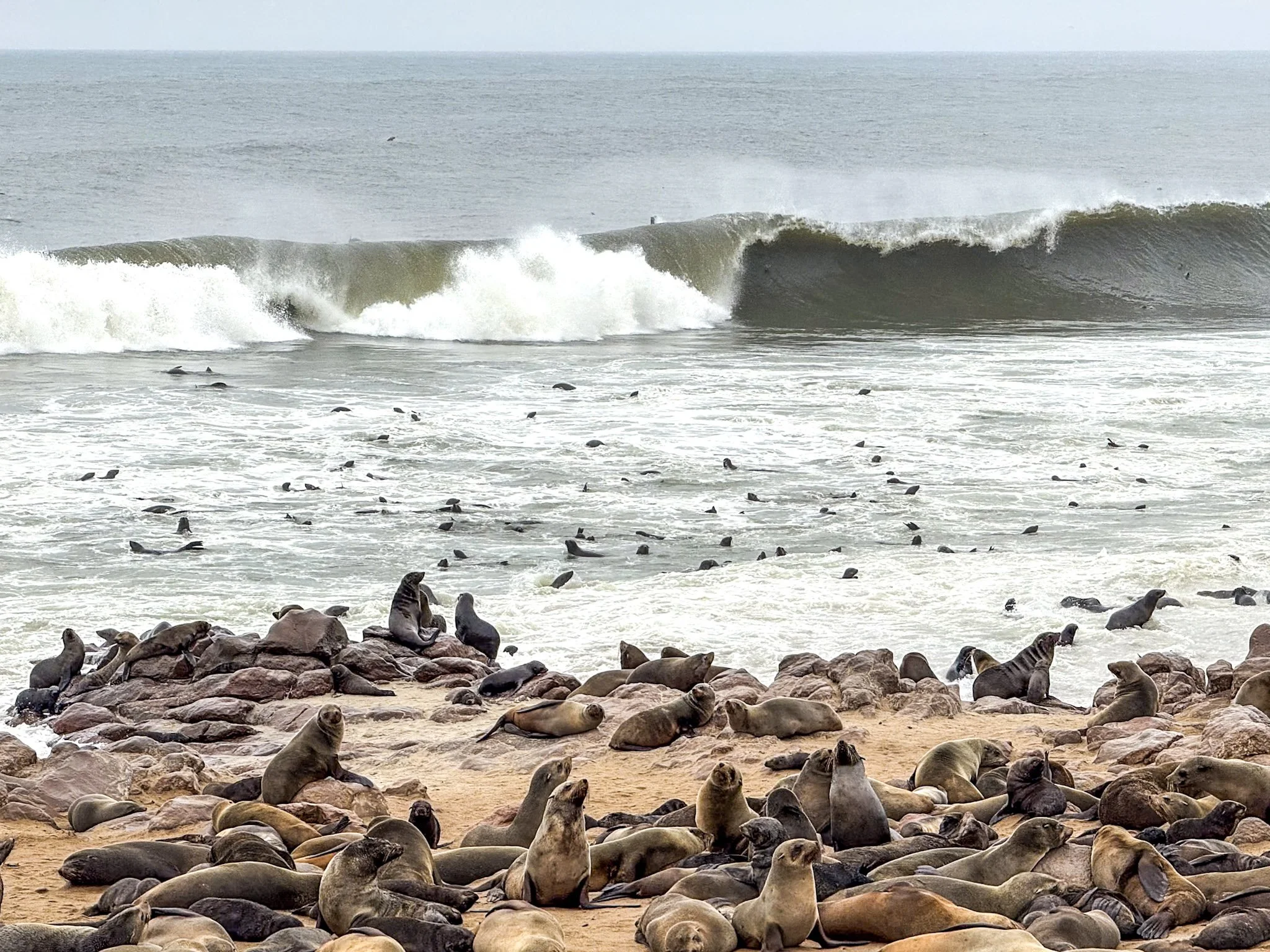
The noise (and smell) of this seal colony was like nothing I had ever experienced.
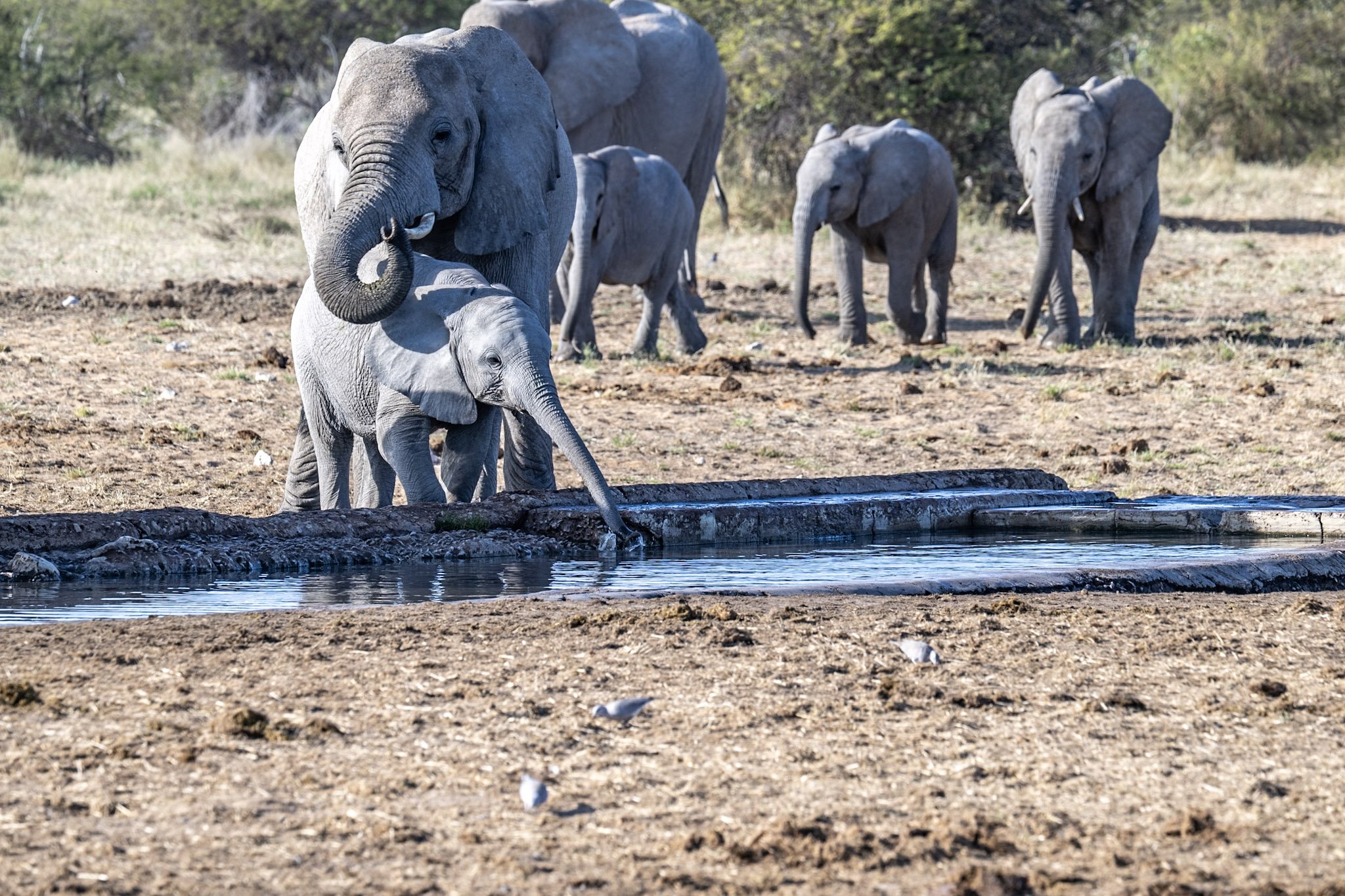
Being close to these giant animals was a thrill but we were taught to calibrate our movements to avoid spooking them.
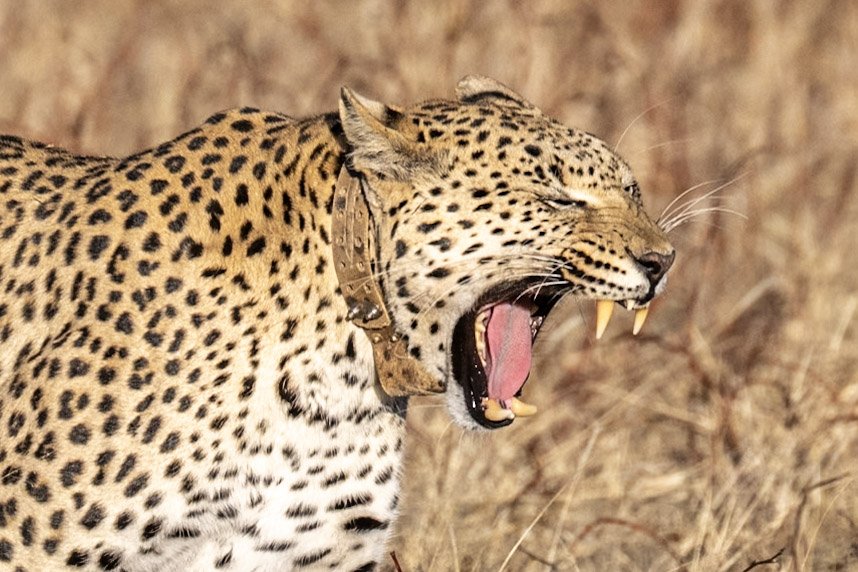
A leopard's presence transformed an already exciting day into something unforgettable.
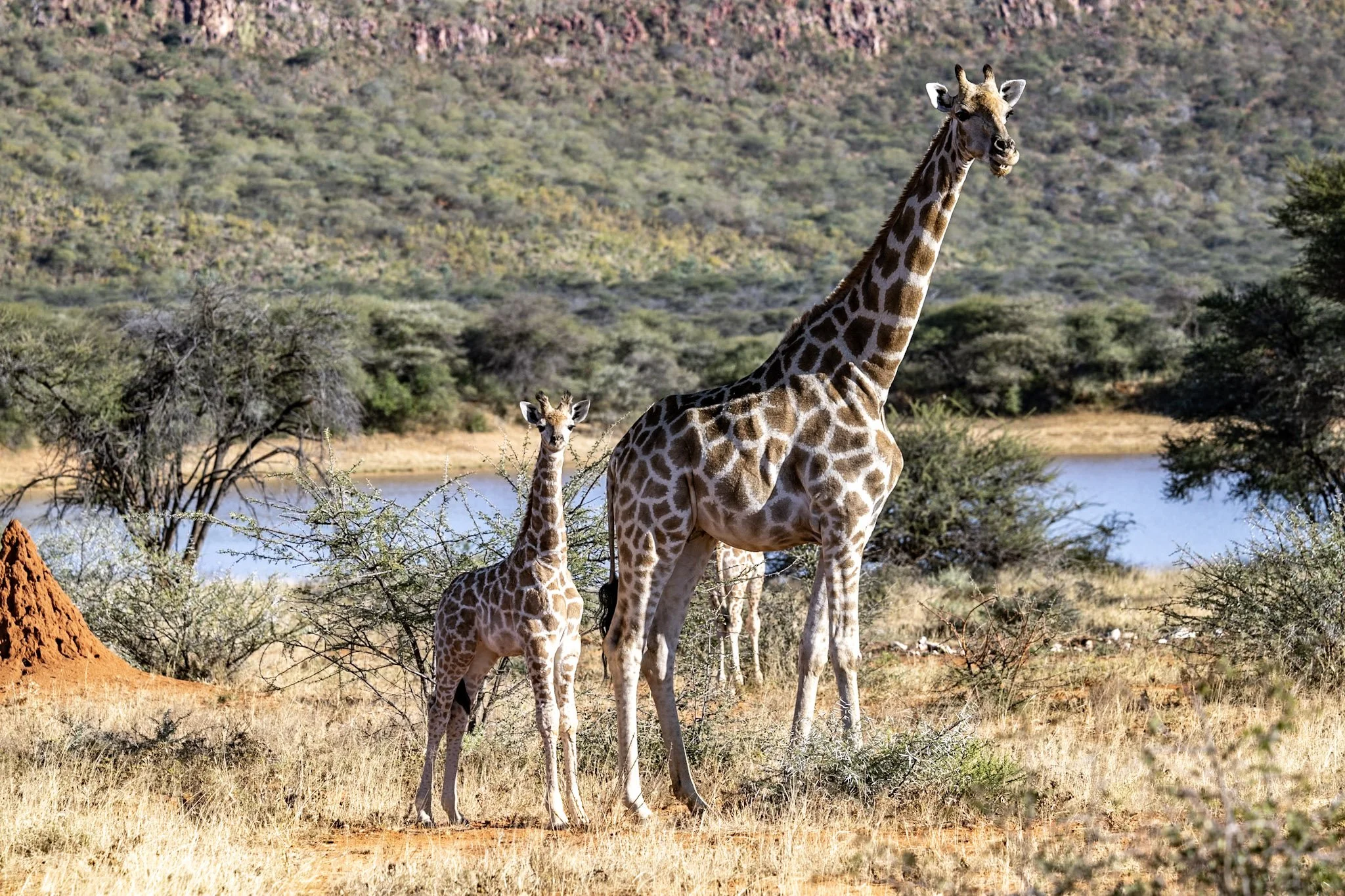
Understanding the rhythms of wild was important in getting still shots like these.
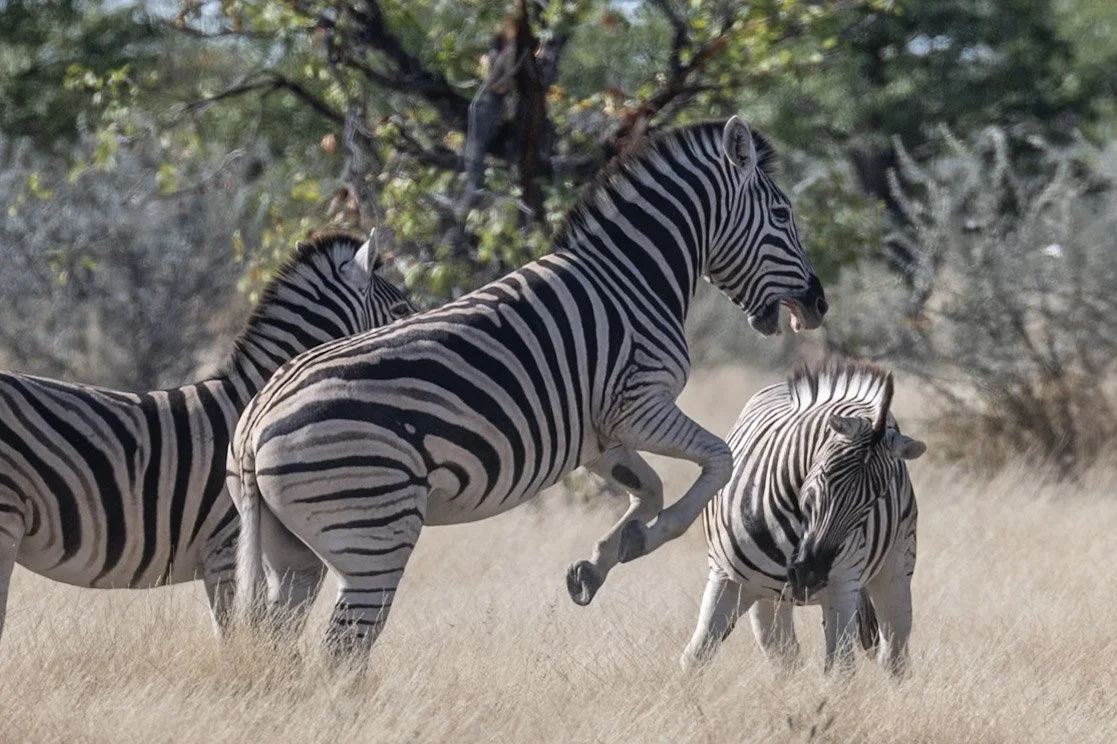
The biggest challenge was learning to photograph movement. Coming from a world where everything is controlled, I suddenly found myself trying to keep up with birds in flight, animals that could run as fast as a car, and moments that appeared and disappeared in seconds. I had to learn to anticipate behavior, keep the autofocus engaged, trust my instincts, and build muscle memory rather than carefully calibrating every image.
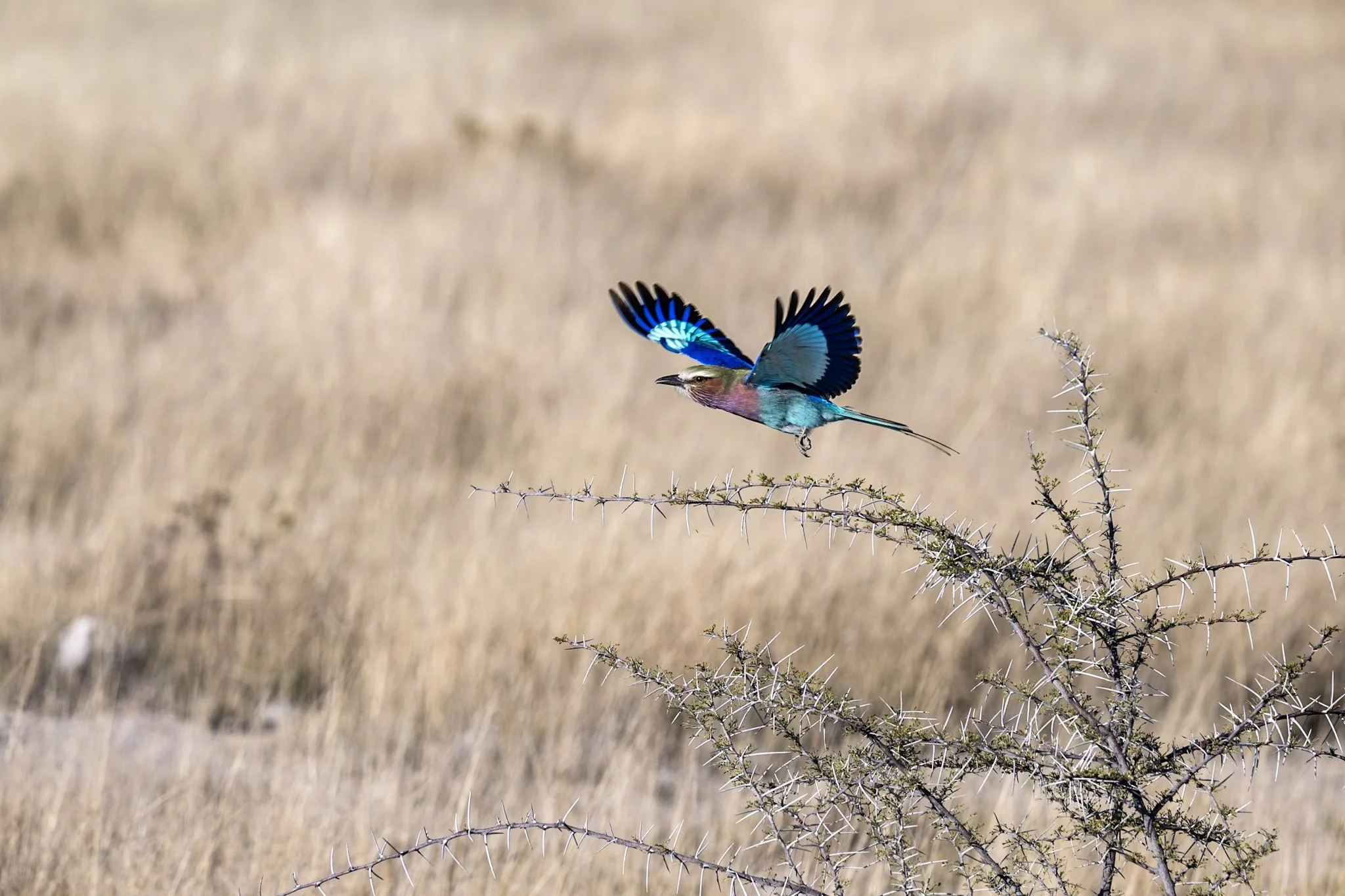
I had never truly appreciated the skill needed to catch a wild bird in flight until I arrived in Africa.
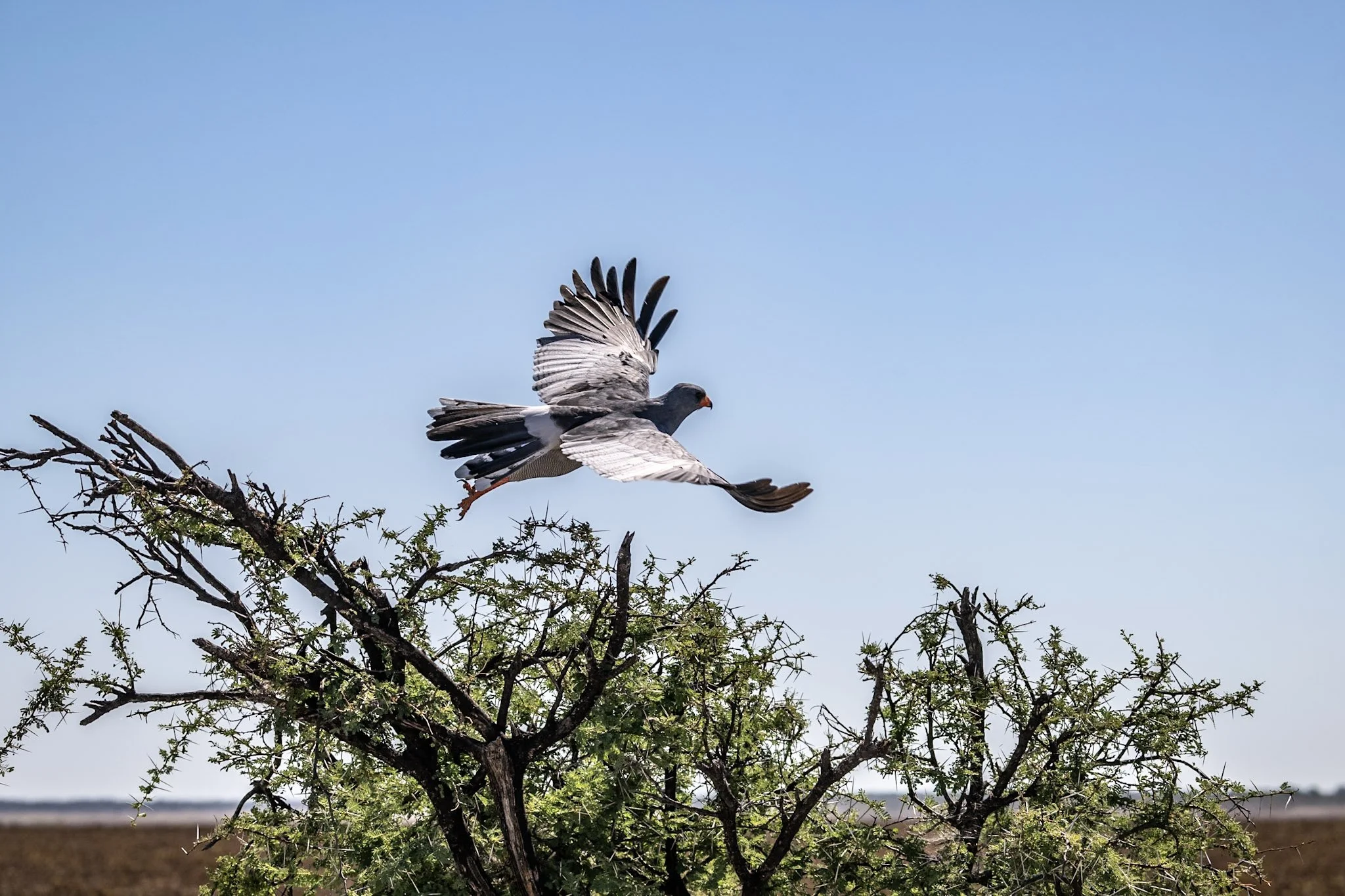
Once I did though, the photographs were astounding.
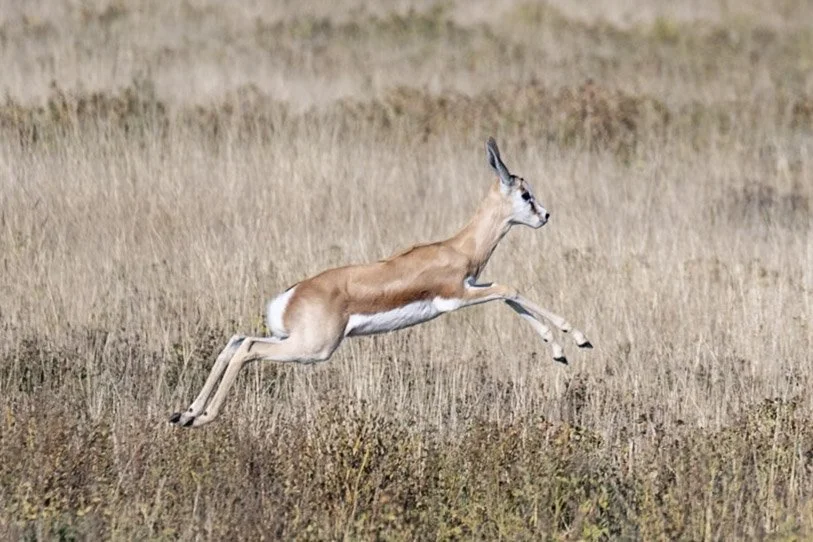
Antelope can run at speeds approaching 55 MPH - capturing their movement took extensive training and preparation.
I learned was to watch a scene focusing on the animals, their microenvironment, and to understand their movements. To get the shot, I had to keep the bird/animal’s eye in focus while it was still, anticipate its movement, and develop the muscle memory to move the camera with it seamlessly.
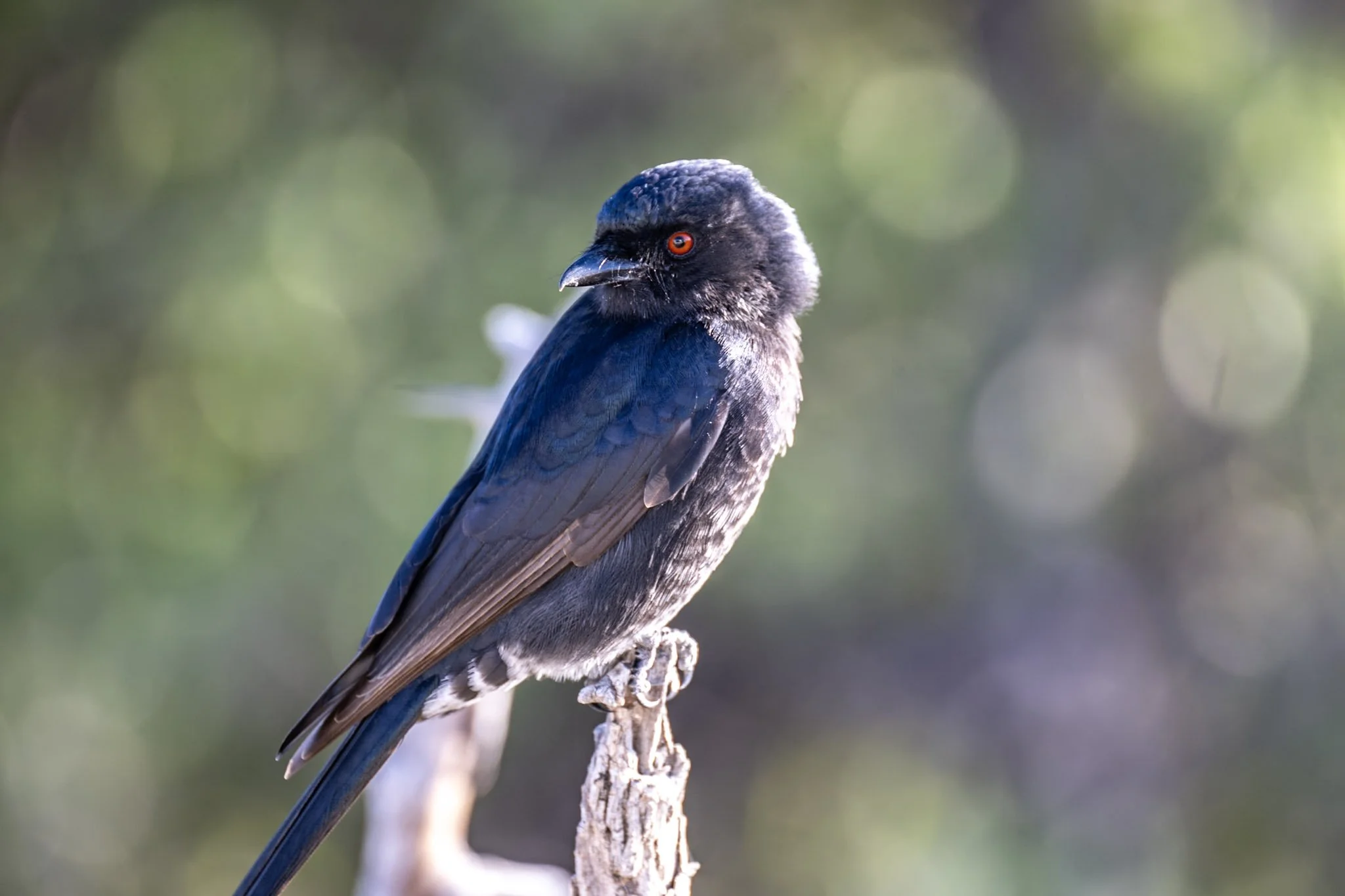
The speed with which animals went from completely still to full motion was literally amazing and only with extensive practice was I able to capture the transition.
A huge surprise was how physical the process was. Tracking a moving animal through a long lens requires a kind of muscle memory that only comes through repetition. By the end of the trip, I could follow moving subjects, anticipate their next action, and capture moments that would have been impossible for me only a week earlier.
Namibia delivered unforgettable experiences and I returned home a better photographer than when I left.
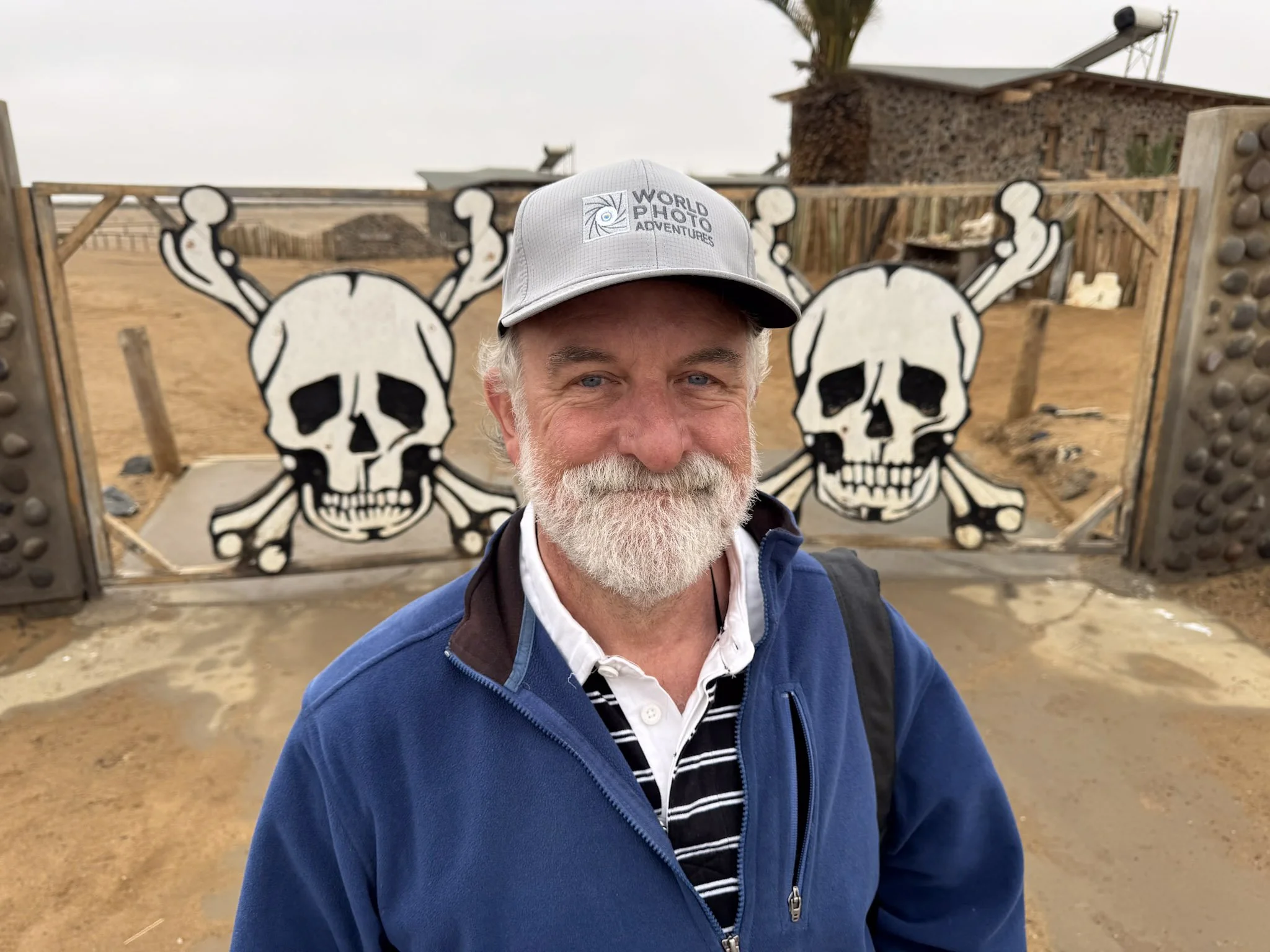
While I felt very safe during my trip the signs behind me were a reminder that going outside the compound by oneself was a very poor idea.
If you would like to see more photos from this fascinating adventure please Click Here