
Artificial intelligence is rapidly changing photography, giving photographers powerful new tools to enhance and transform images. What once required hours of Photoshop work can now often be accomplished in minutes. And the technology is evolving at a rapid pace.
Today, you can provide an actual image of a piece of furniture, for example, and have AI incorporate it into the photograph. What's impressive is how naturally the new furniture fits into the scene. The lighting, shadows, and colors are adjusted to match the original photograph, and even the perspective is modified to reflect the camera angle.
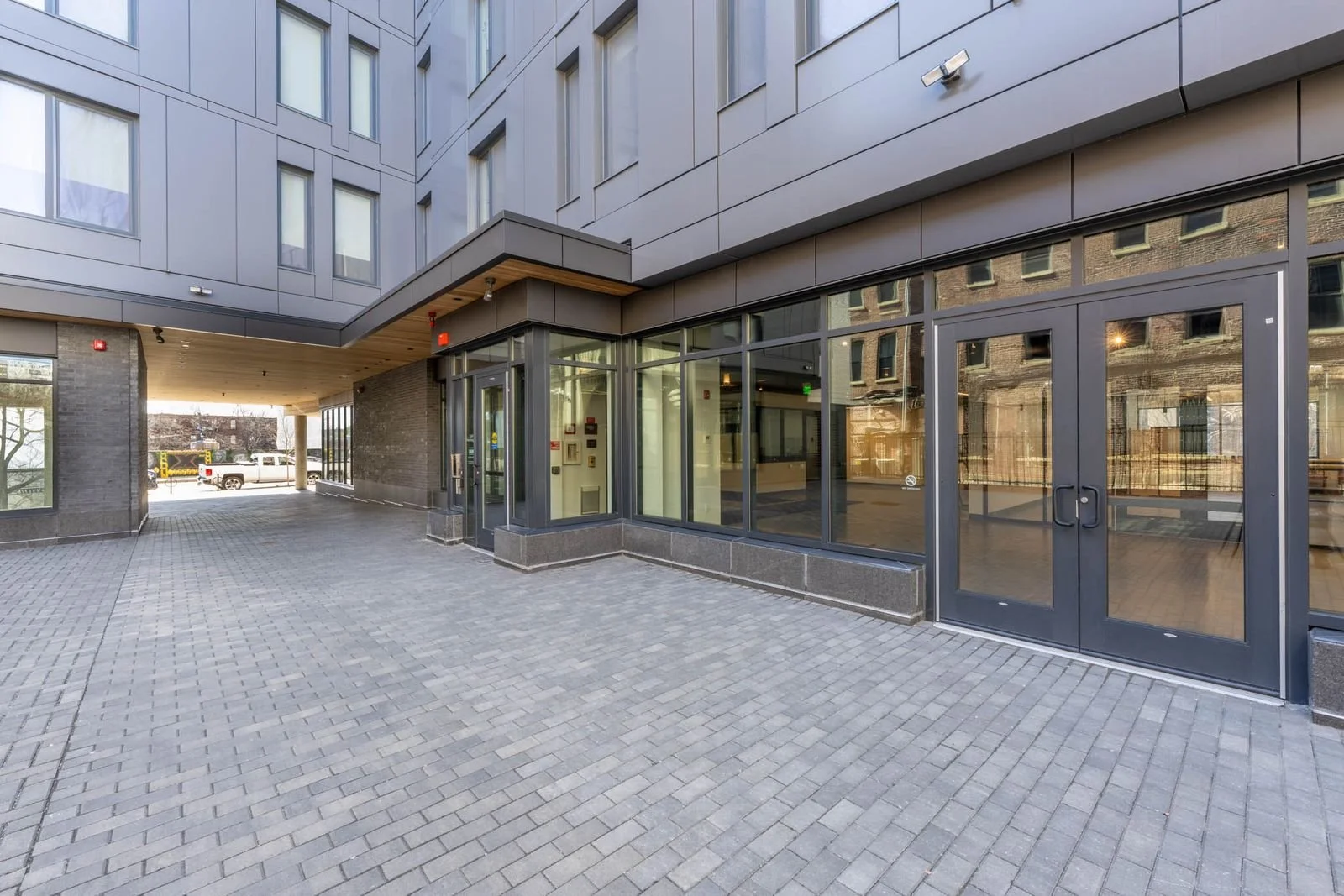
Here I started with a shot that needed some furniture
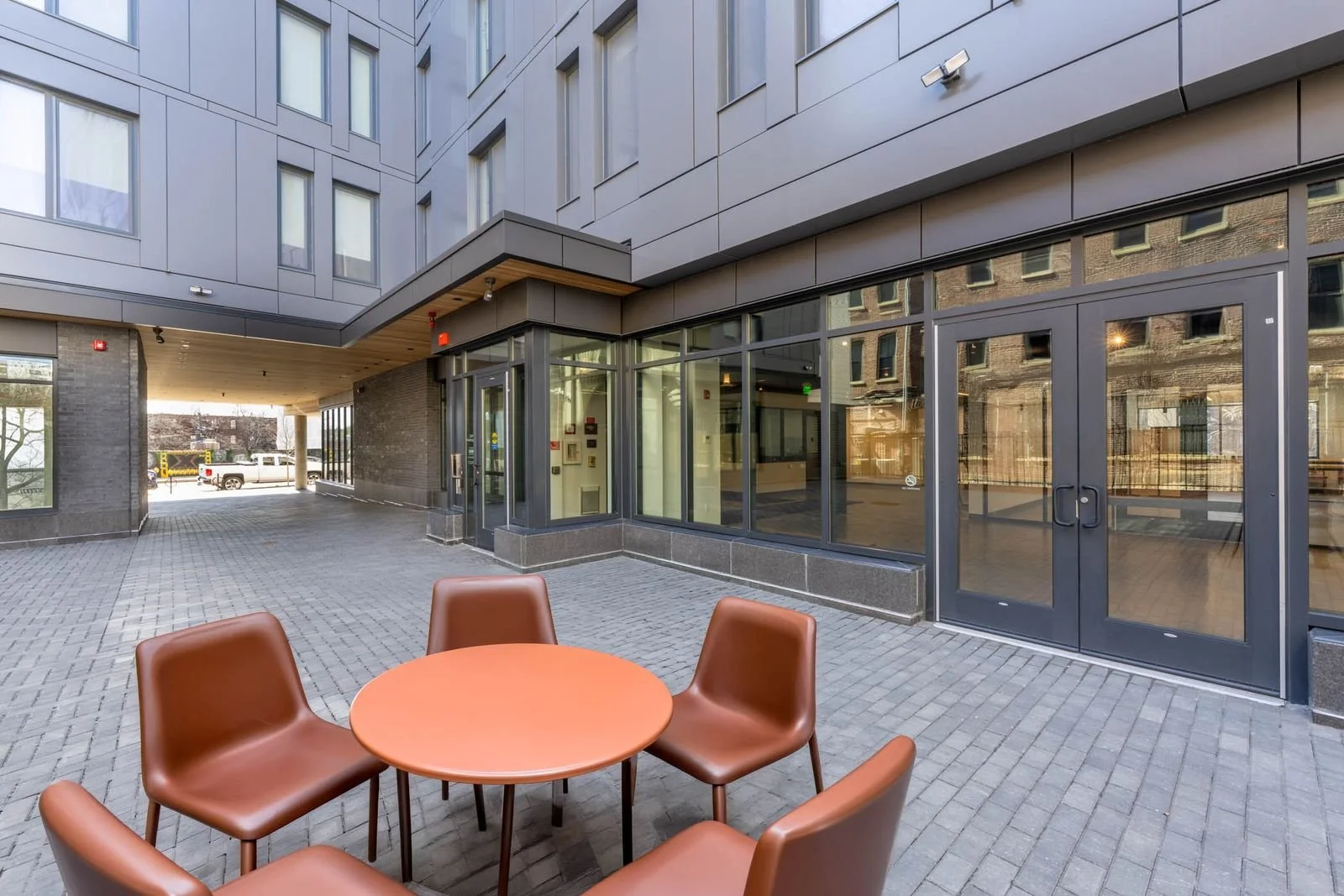
Not too long ago you could highlight an area in Photoshop and type a description of what you wanted to add and you would get something like this.
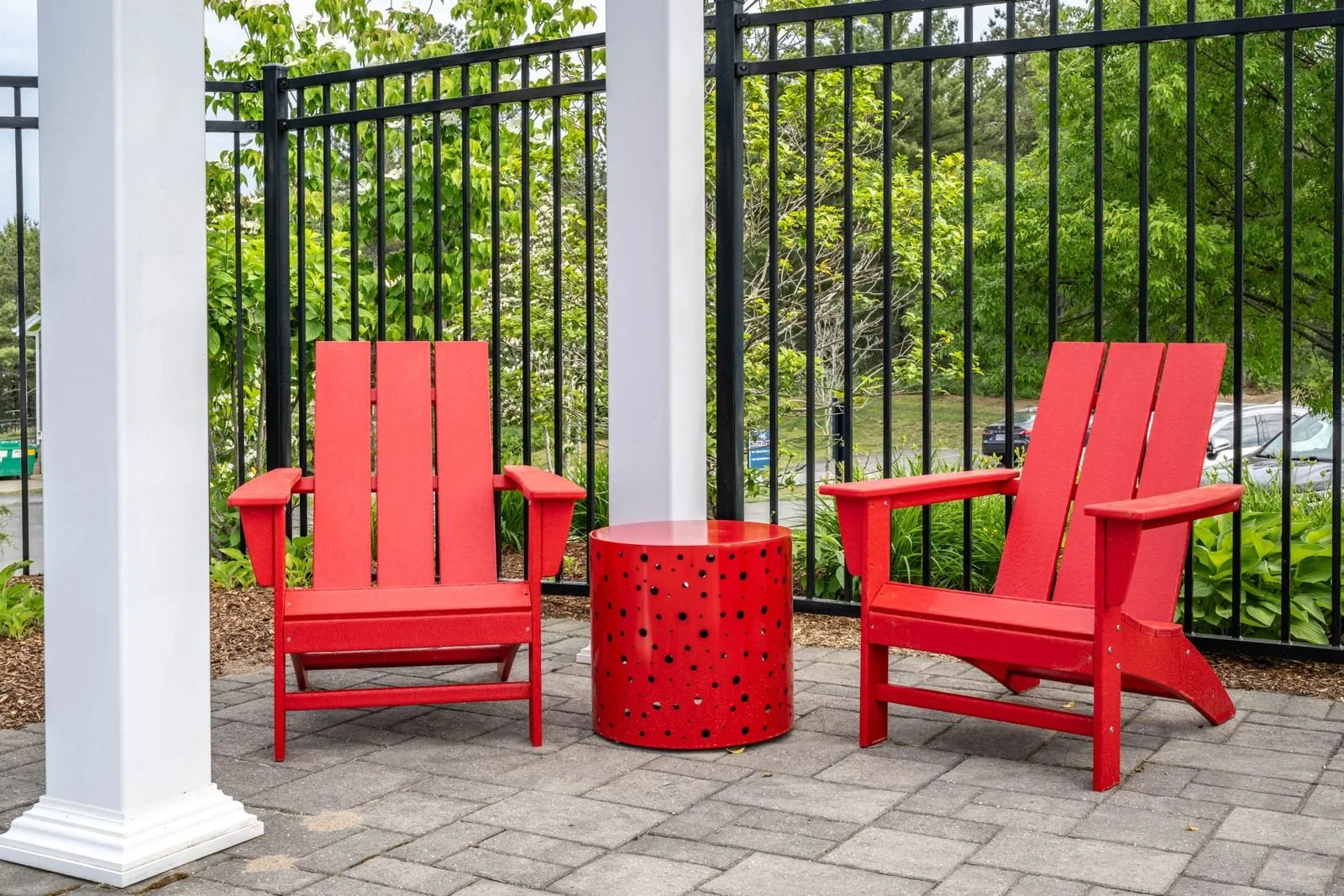
Now you can provide reference image such as this to add items to the original image.
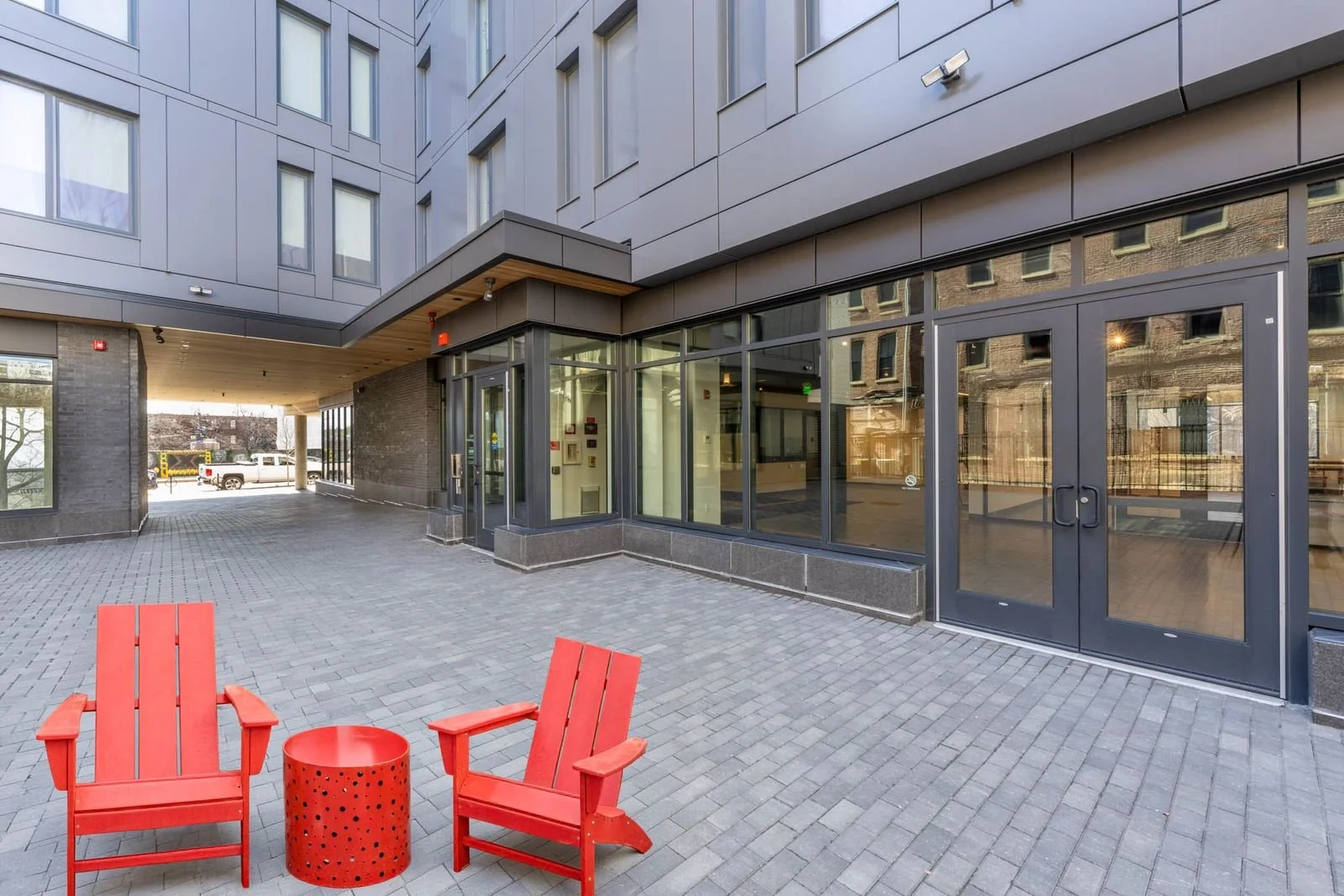
Notice that the added furniture now has the same shadows and coloring as the original image. But, very importantly, the perspective has changed - the camera angle has raised up on the furniture.
More Examples of AI at Work
For architectural photographers, the possibilities go well beyond adding furniture. Here are several examples of how I've been using these tools in my own work.
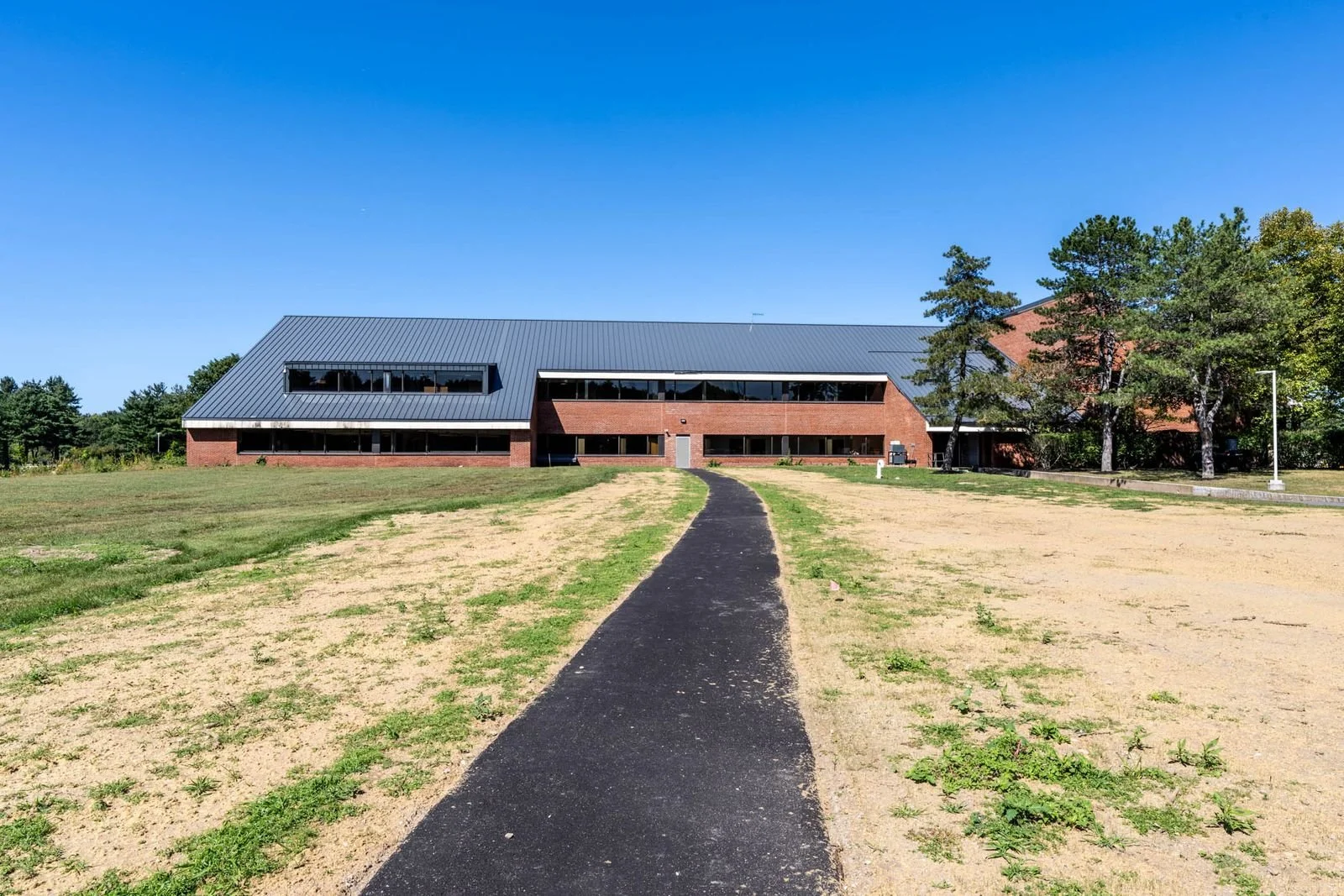
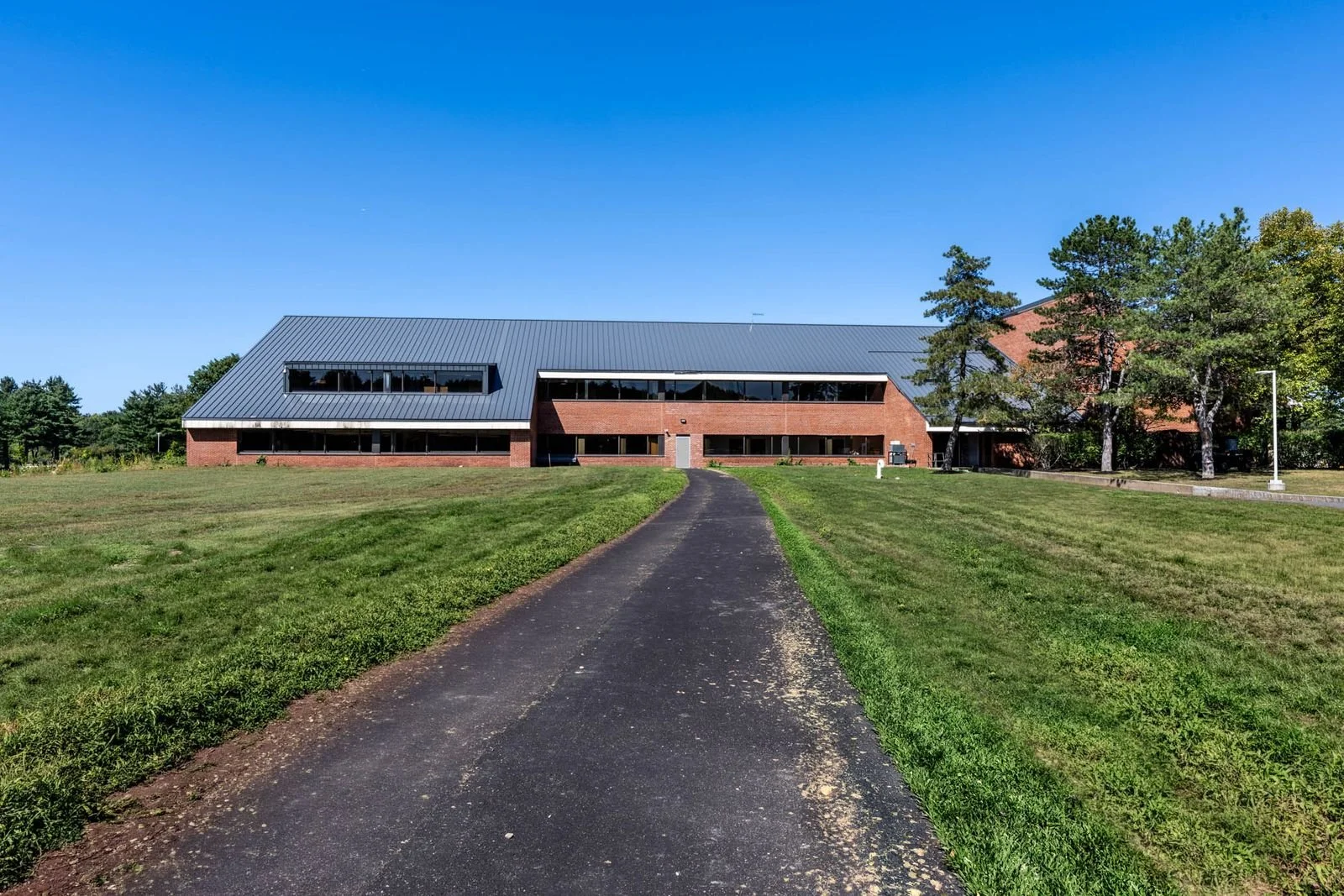
Adding a lawn. In a photograph of a recently completed project, the ground had been hydroseeded but was still brown. I highlighted the area and asked Photoshop's AI to give me grass. The result was a much more attractive landscape without having to wait weeks for the grass to grow in.
Removing obstructions such as wires and poles. AI has also improved some of Photoshop's existing editing tools. Removing distracting utility wires and poles, once a tedious process, can now be accomplished with a single click.
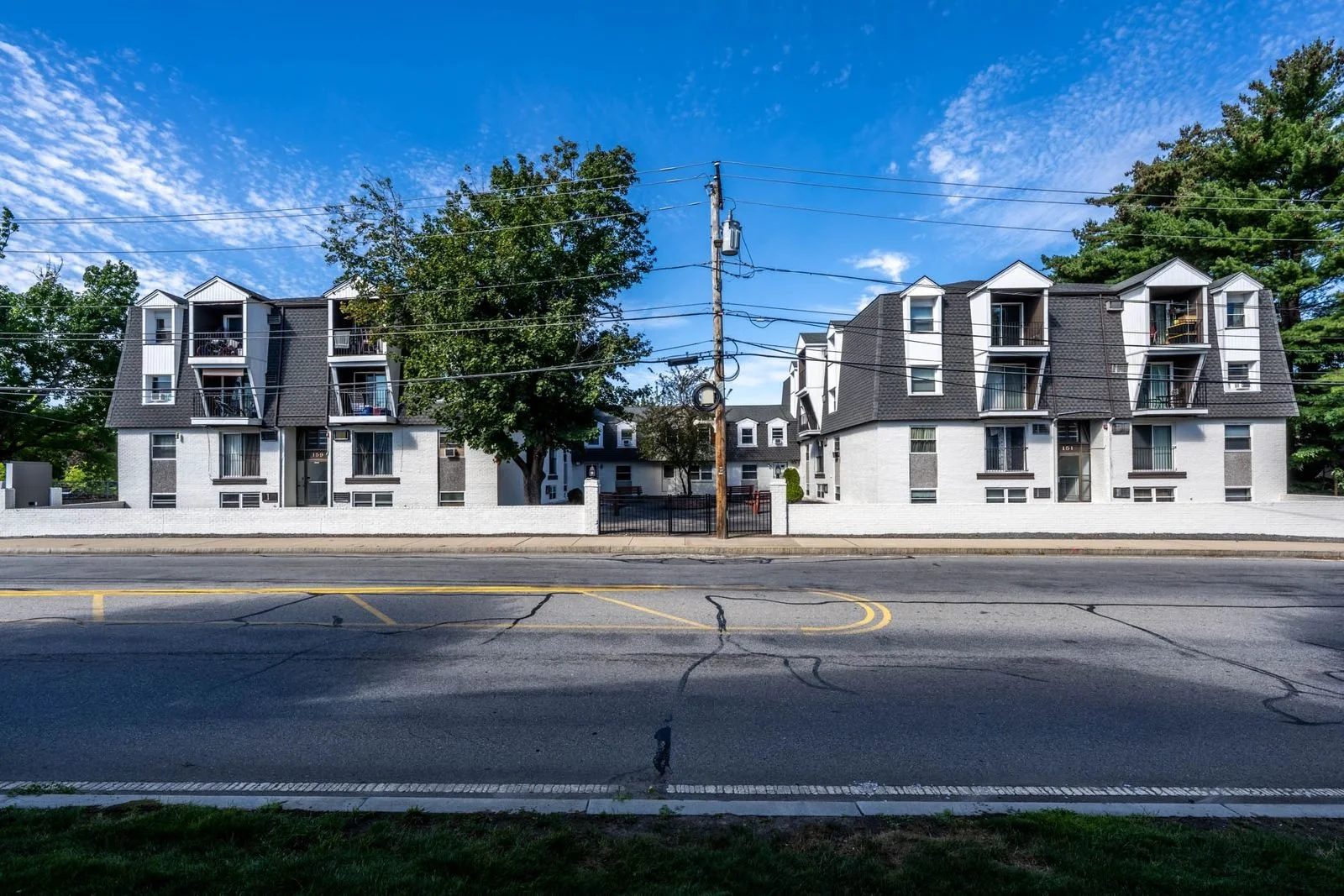
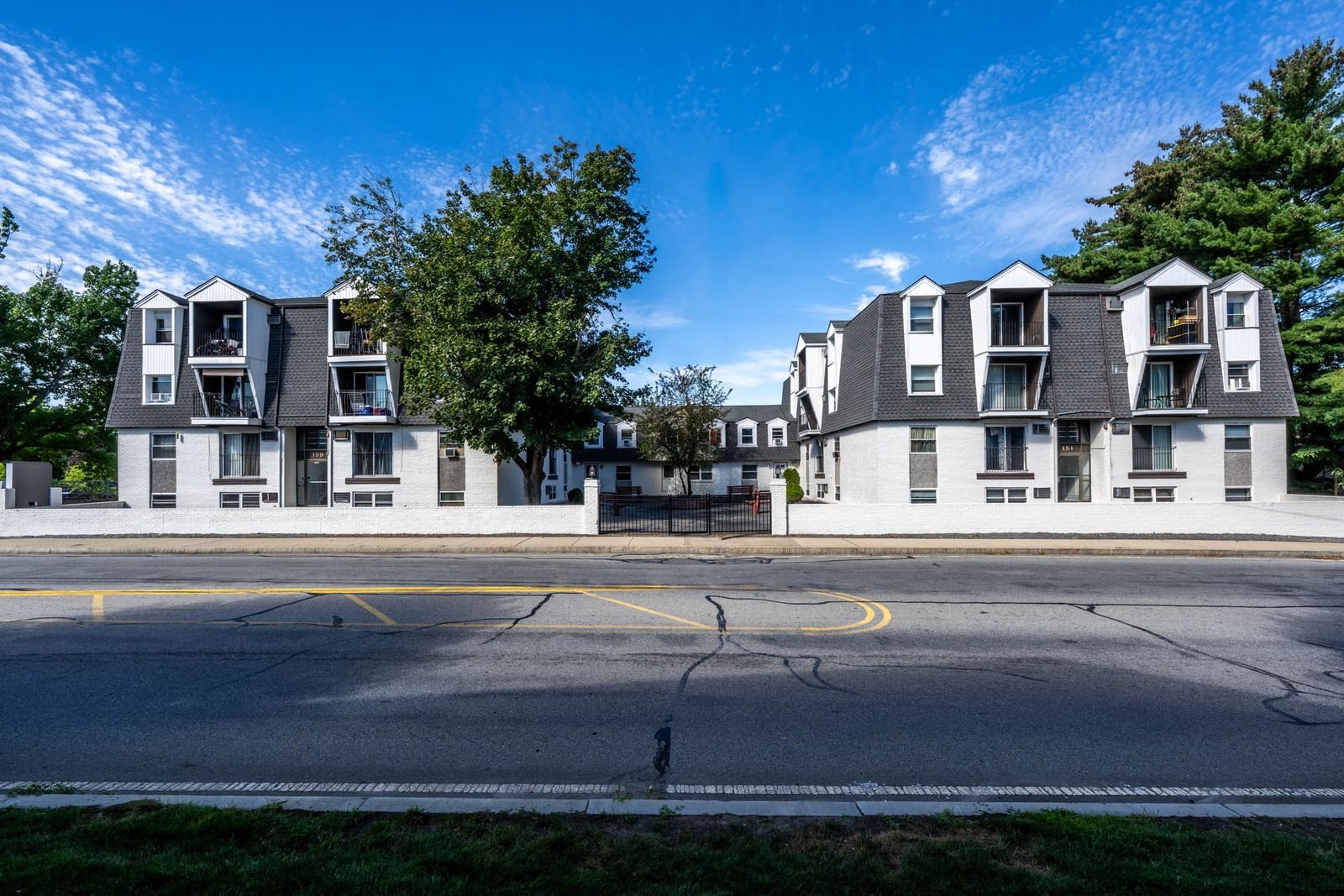
What a difference
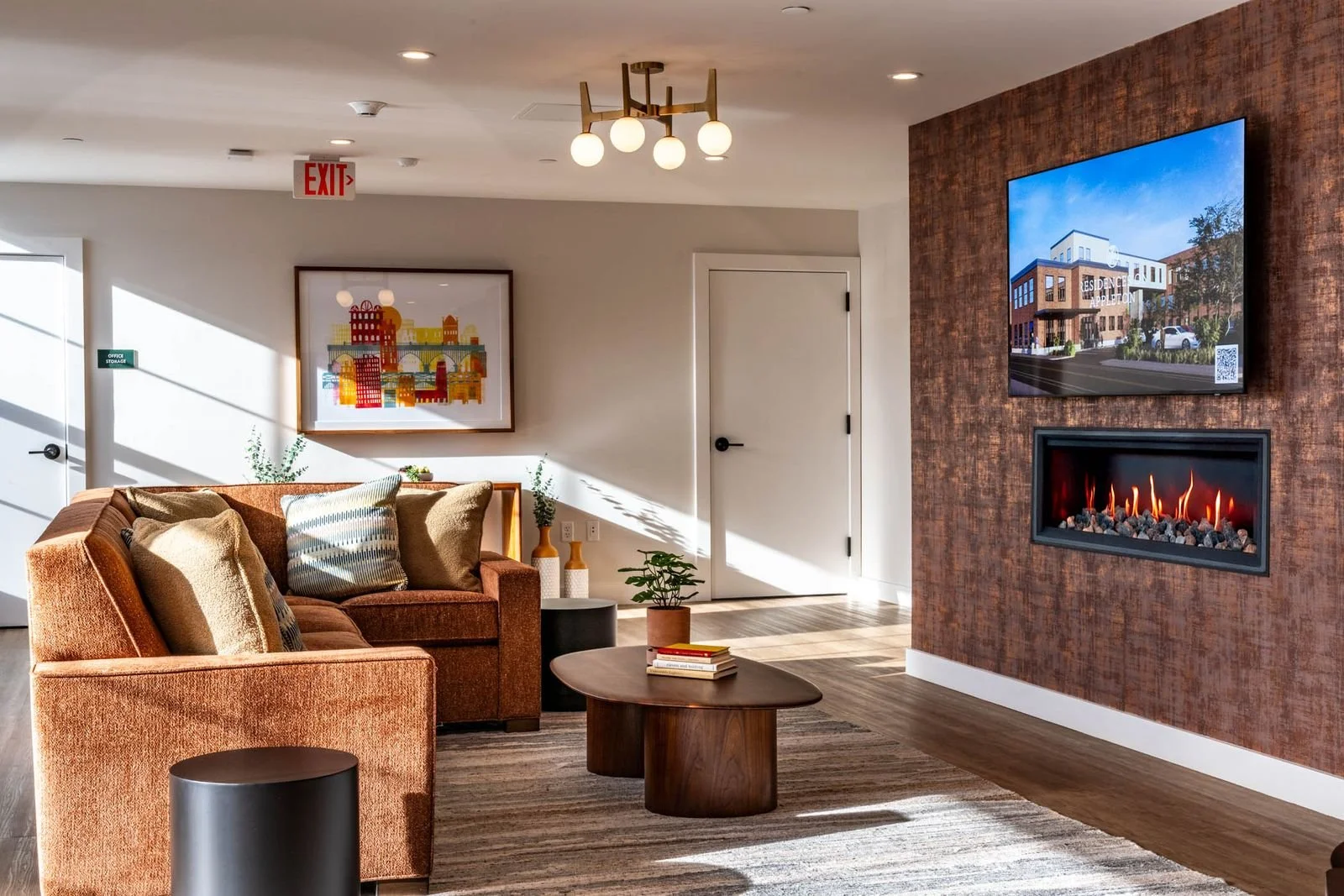
Bringing an interior to life. In this interior, I highlighted the fireplace and asked AI to add flames, creating a warmer, more inviting atmosphere. I also added an exterior photograph of the property, taken earlier in the day, to the television screen above the fireplace.
Removing things you don’t want. Photographing a completed building isn't always easy, particularly when cars obstruct the view. Here I took multiple photographs, each revealing different portions of the building not blocked by vehicles. By combining those images, I was able to create an unobstructed view of the building. (I also replaced the construction fencing on the left, resulting in a more finished presentation.)
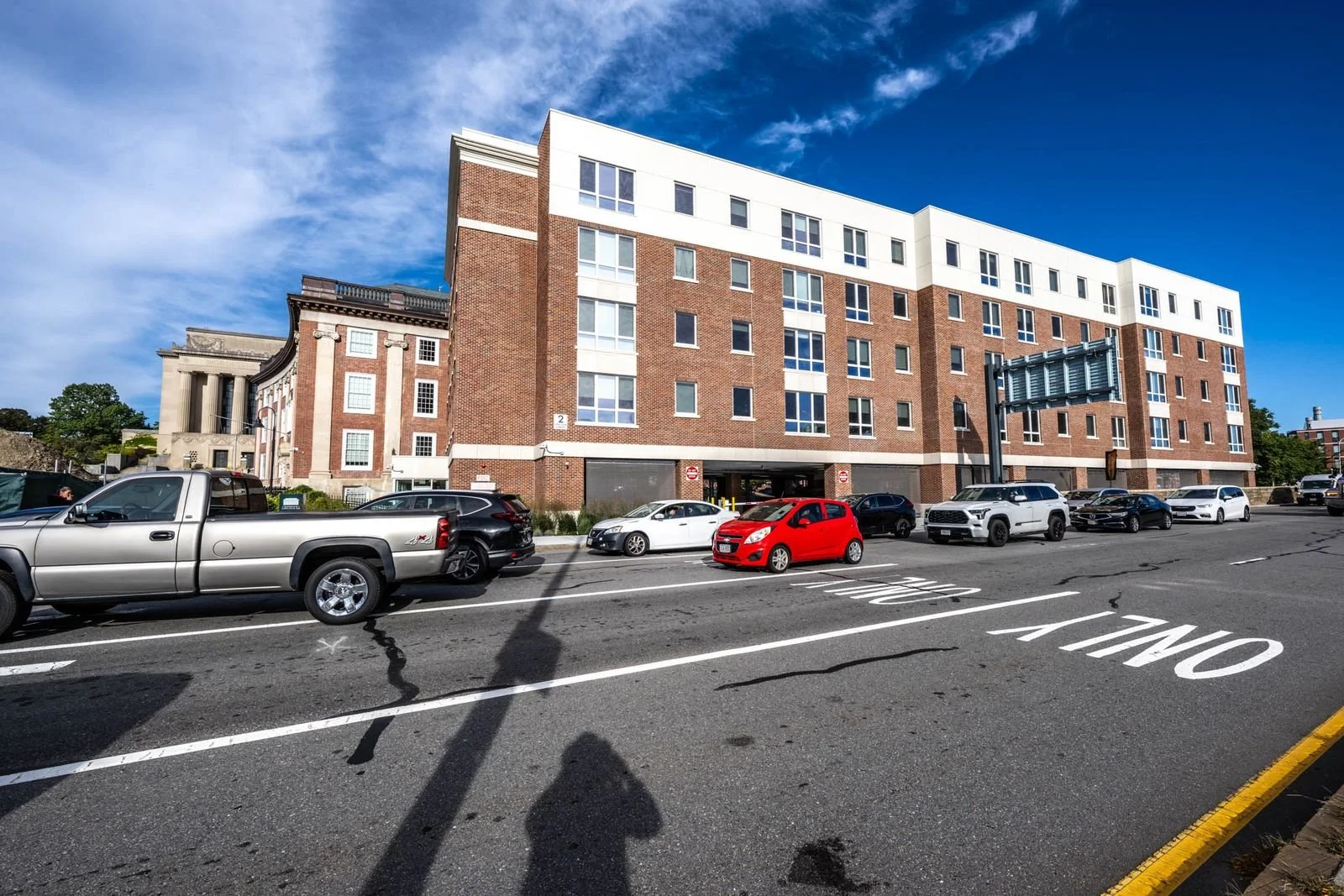
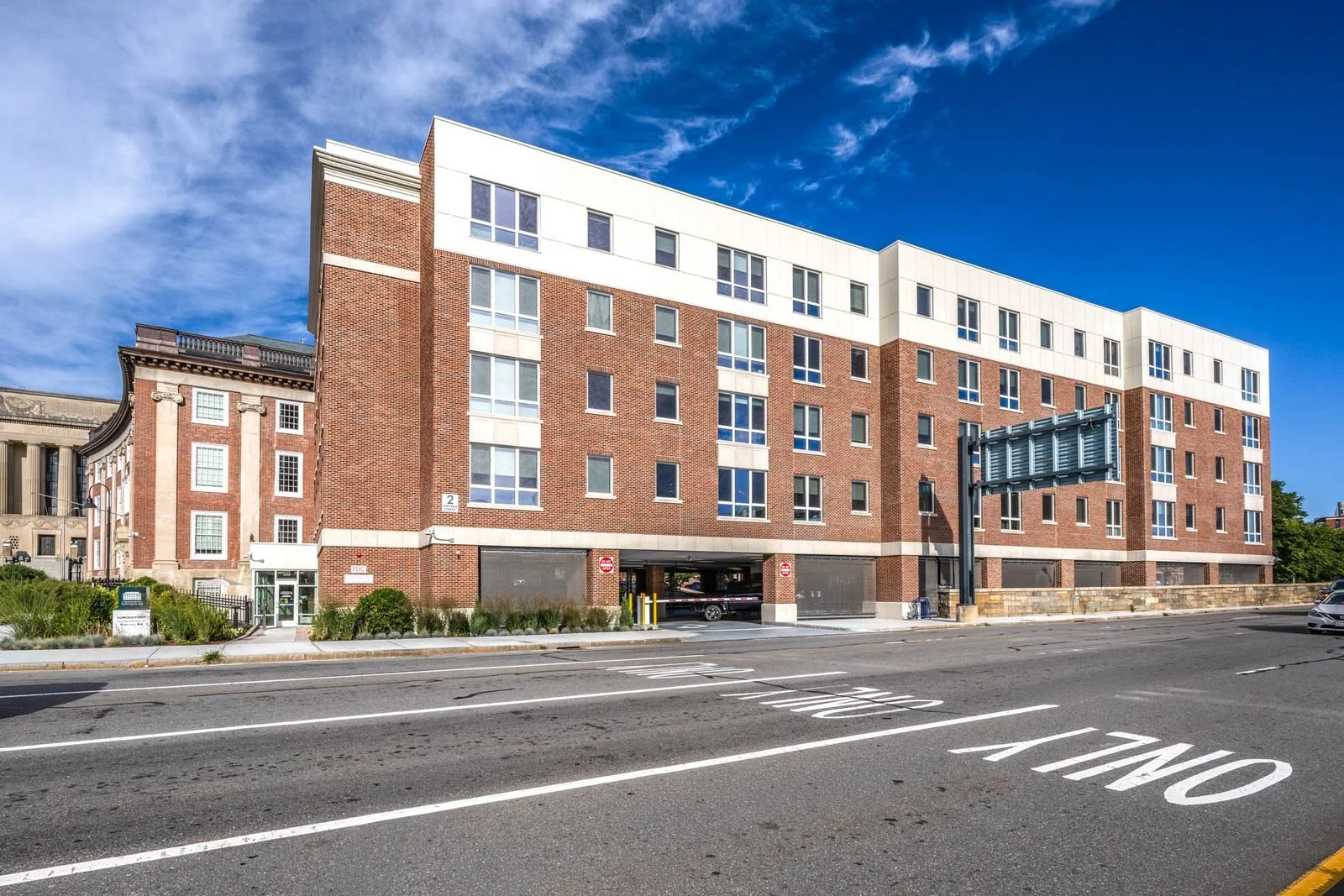
A significant improvement where the building is now the star of the photograph
In the photograph below, I highlighted the snow on the ground and asked AI to remove it, transforming the appearance of the scene. This is a very helpful tool in winter and early spring photography.
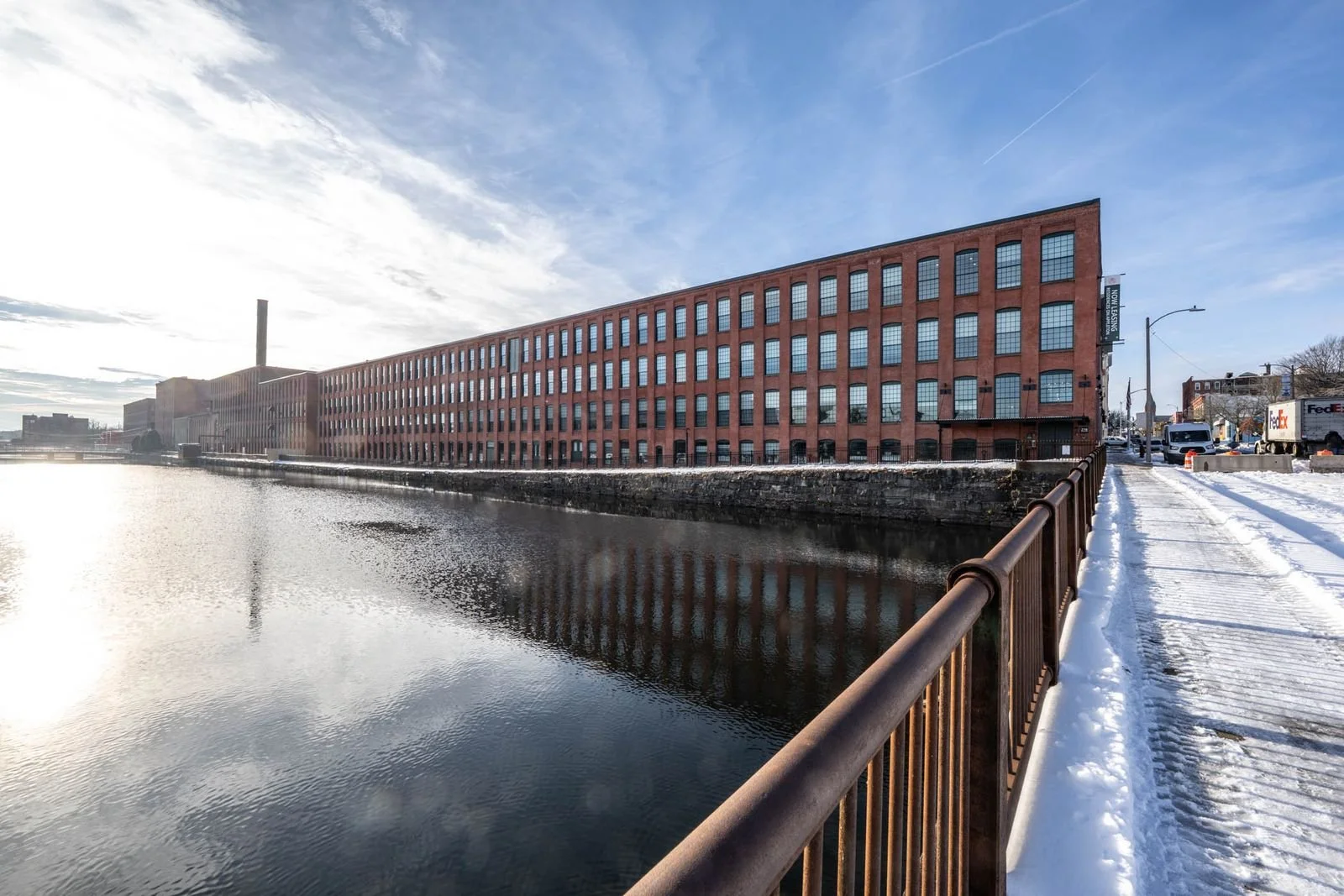
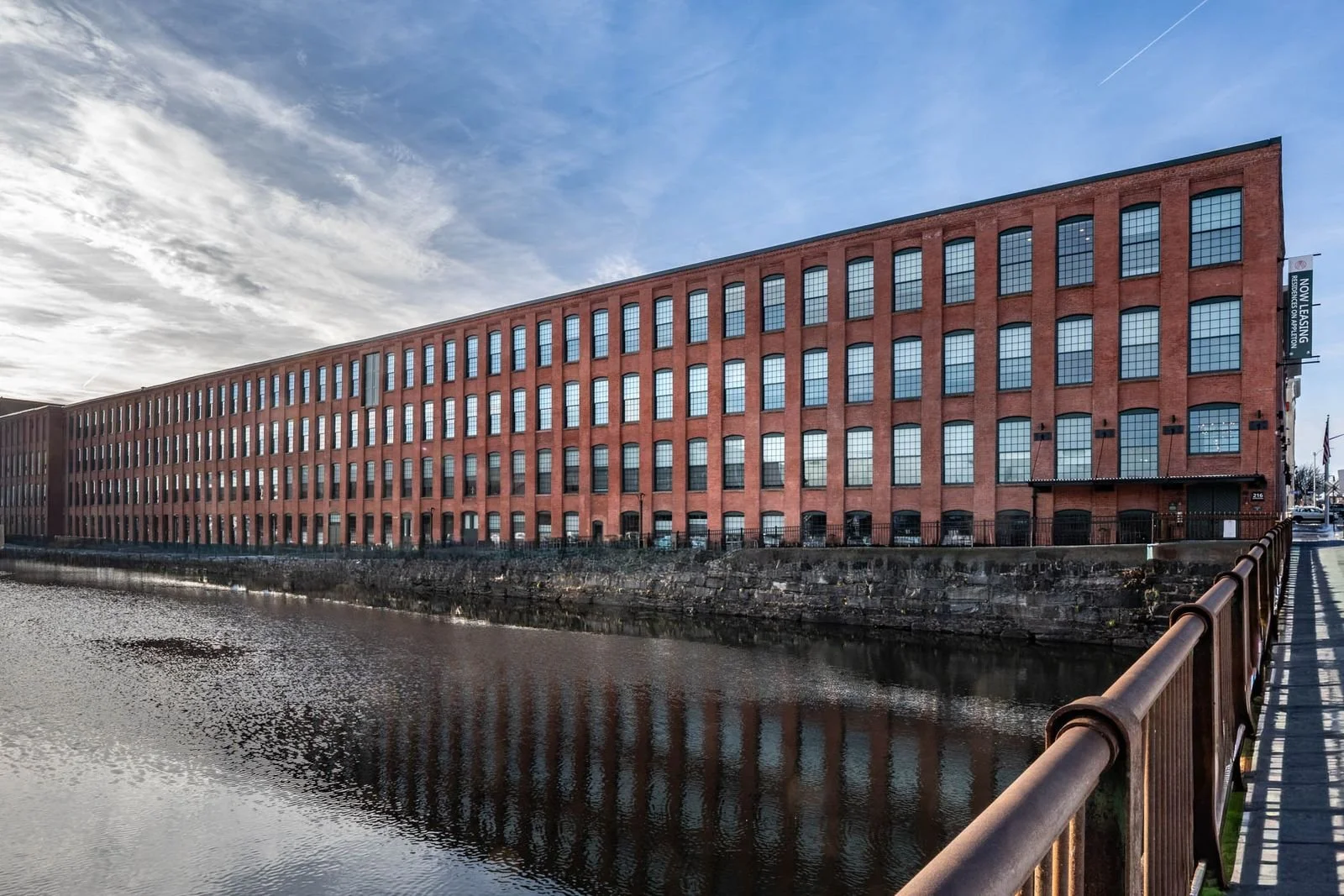
The snow is gone
These are just a few examples of how AI is expanding what's possible in architectural photography. The technology doesn't replace the photographer's eye or experience, but provides me with an increasingly sophisticated set of tools.
There's a Catch: AI Comes at a Cost
As impressive as these capabilities are, there's another side to the story. It comes at a cost. Adobe now uses a system of generative AI credits. Depending on your subscription, you're allotted a certain number of credits to use with AI-powered features.
Click to learn more about: Adobe's generative AI features and credit system.
Adobe is also expanding beyond its own Firefly AI technology, click to learn more about their offering access to AI models developed by other companies.
The Bottom Line
AI is opening up remarkable creative possibilities, particularly in architectural photography, where the ability to refine a scene, eliminate distractions, and present a property at its best can make an enormous difference.
But these tool’s costs will inevitably become part of the conversation. I wouldn't be surprised if, before long, professional photographers begin including an AI digital processing fee in their estimates and invoices.
AI is making post-production faster and easier, but the addition of these features does not mean it's making photography less expensive.