
When we think about architectural photography, the building is usually the star. But the landscape around it can be just as visually important. A building doesn’t exist on its own—it’s part of a larger setting.
Showing how the building and landscape work together gives you a much better sense of the whole property—and tells a more complete story than photos of the building alone.
That’s why I like to integrate the landscape into my architectural photography whether it’s an office, apartment building, school, or private home.
Time of Day
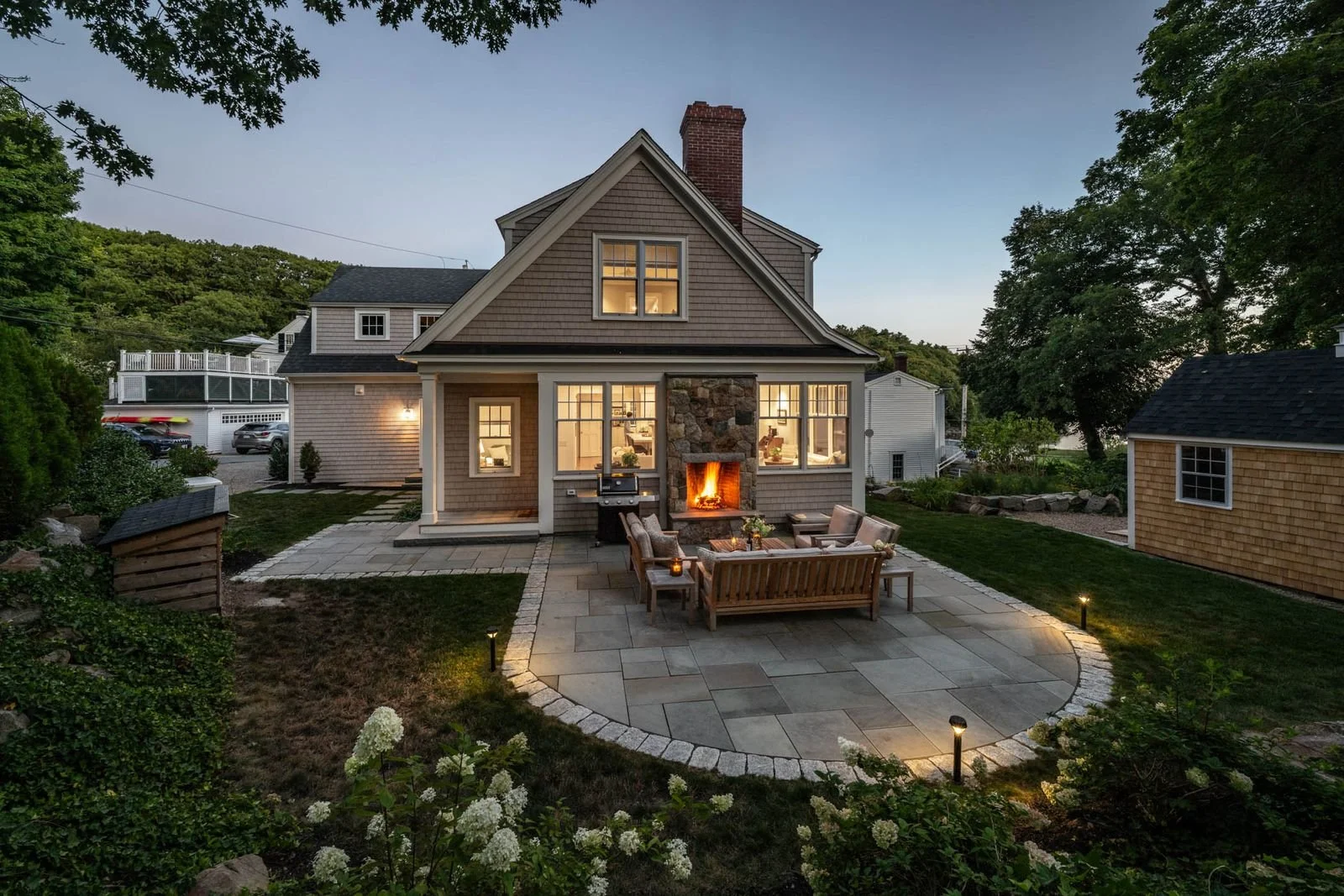
Landscape photography is very time-of-day dependent, just like the architecture it supports. Lighting sets the mood and helps the viewer understand how architecture and landscaping meet. For example, when shooting residential properties you may want to highlight that even when the sun goes down, the landscape is still working.
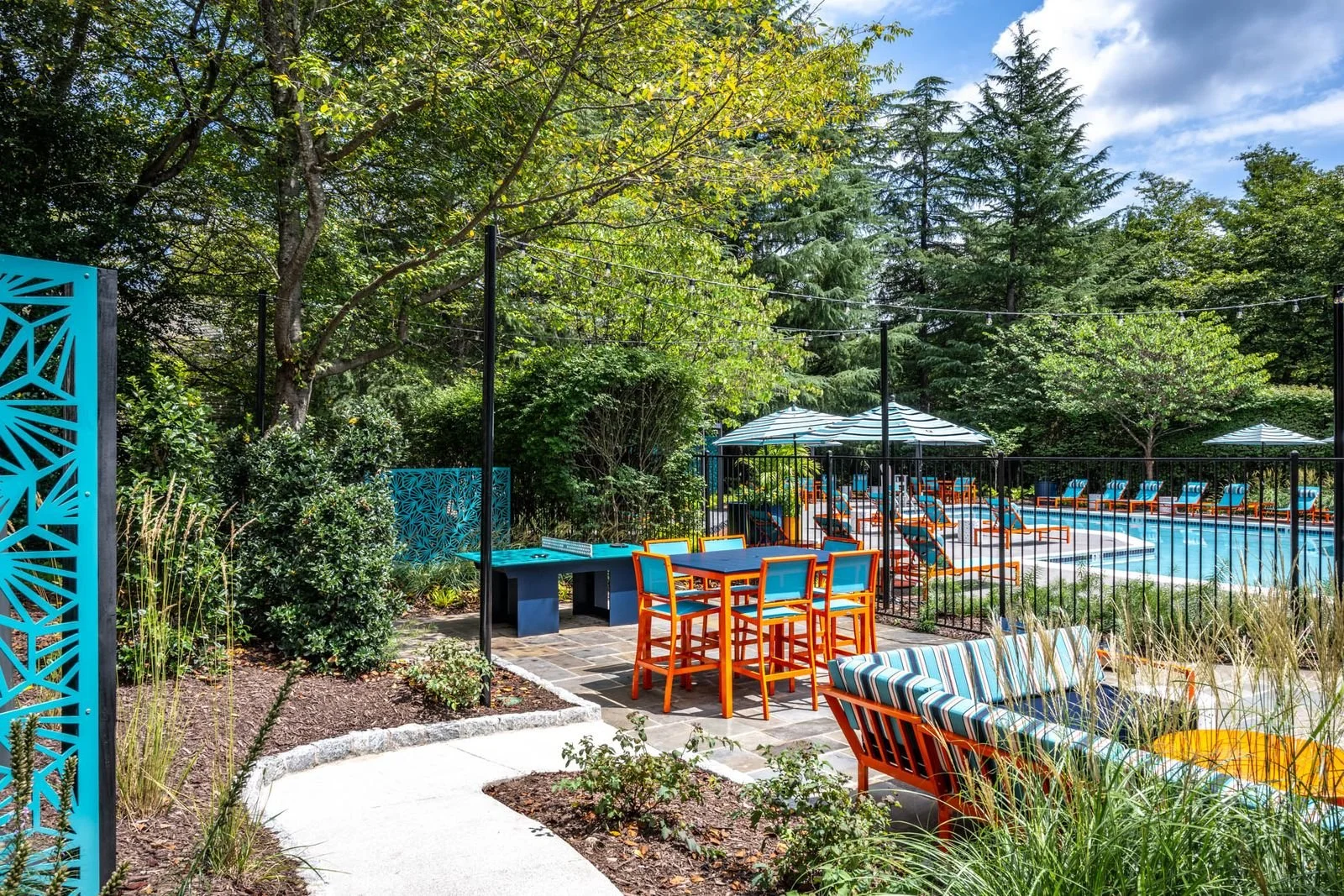
That’s what I did in the above image by highlighting the firepit and landscape lighting to set the mood for a lovely evening gathering place. The shot below also focuses on gathering and fun. However, here I use the the overhead sun and bright light to bring energy and the anticipation of good times to this pool setting.
Integrating the Building into the Landscape
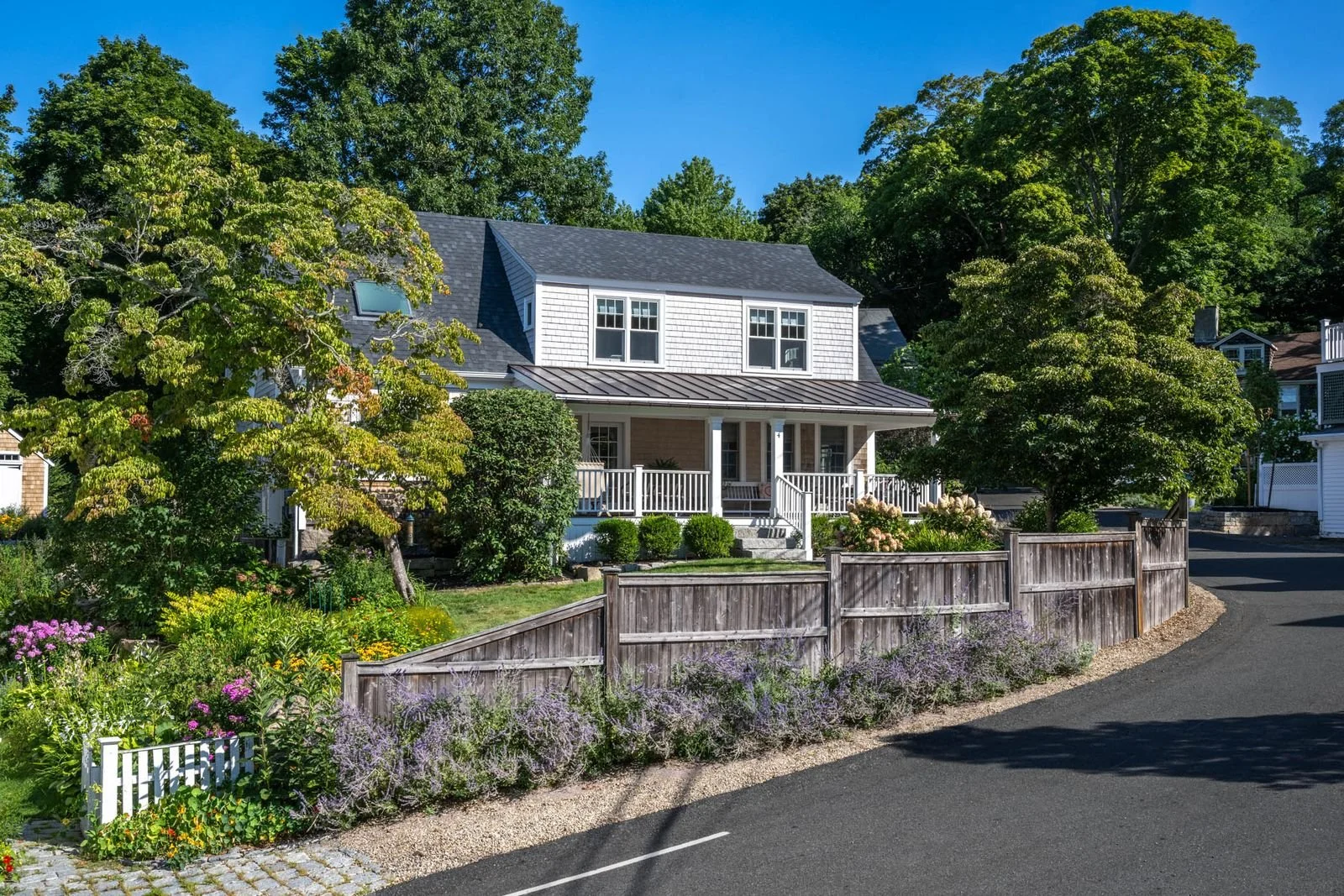
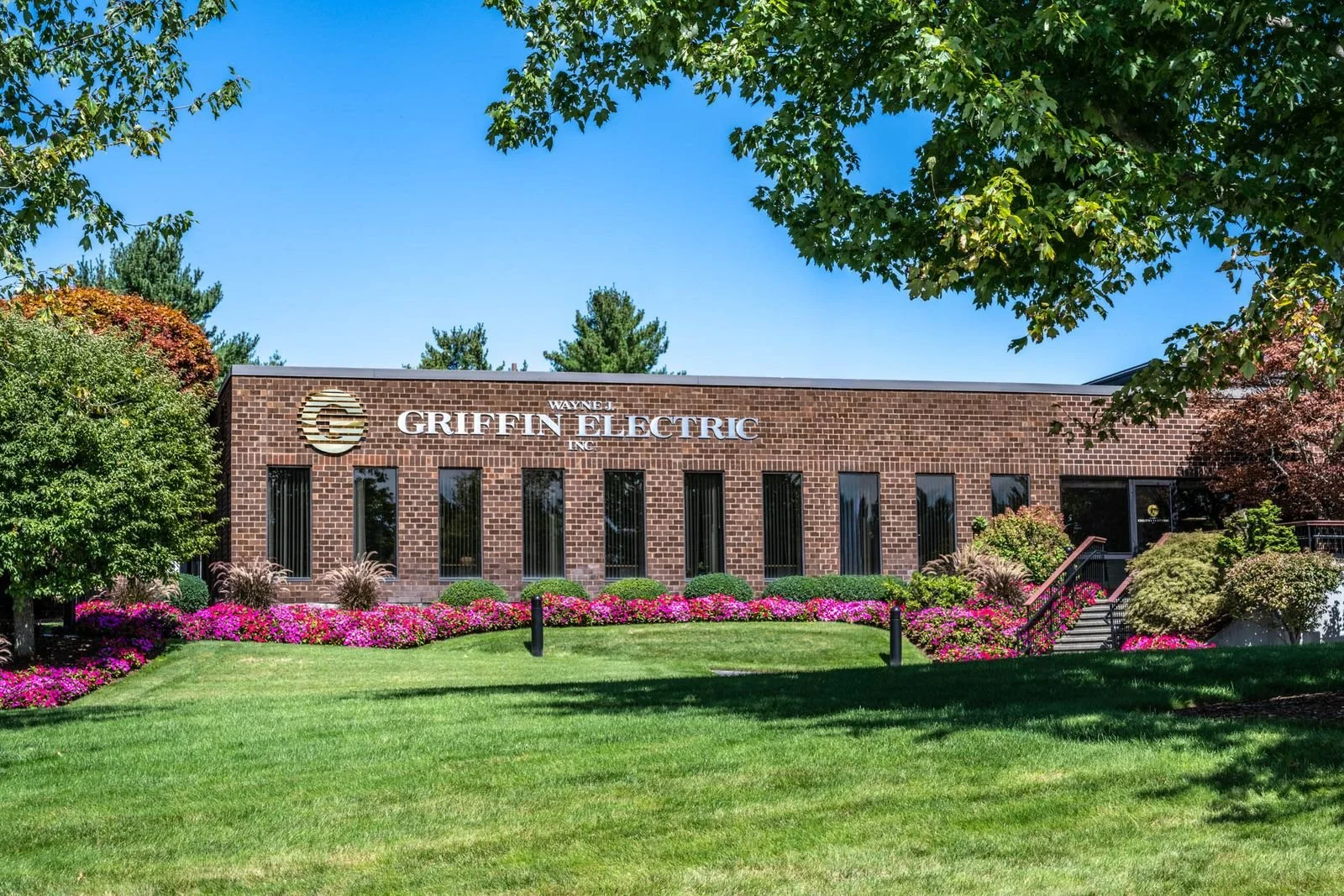
A well-designed building doesn’t just sit on the ground—it settles into it and becomes part of the landscape. Showing that relationship in a photograph gives the building a sense of place and helps the viewer understand how it fits into its surroundings. Often, the landscape adds depth, texture, and context and turns a simple photo of a building into a much more compelling image. Notice how the landscape elevates these two buildings.
Perspective
Perspective can completely change the story a photograph tells. Stepping back and showing the larger landscape helps you see how a building sits within the property and relates to its surroundings. Moving in closer shifts the focus to how people actually experience the landscape—where they walk, gather, sit, or relax. Tighter shots can tell an important part of the story by showing how the landscape was designed to be used and enjoyed by people.
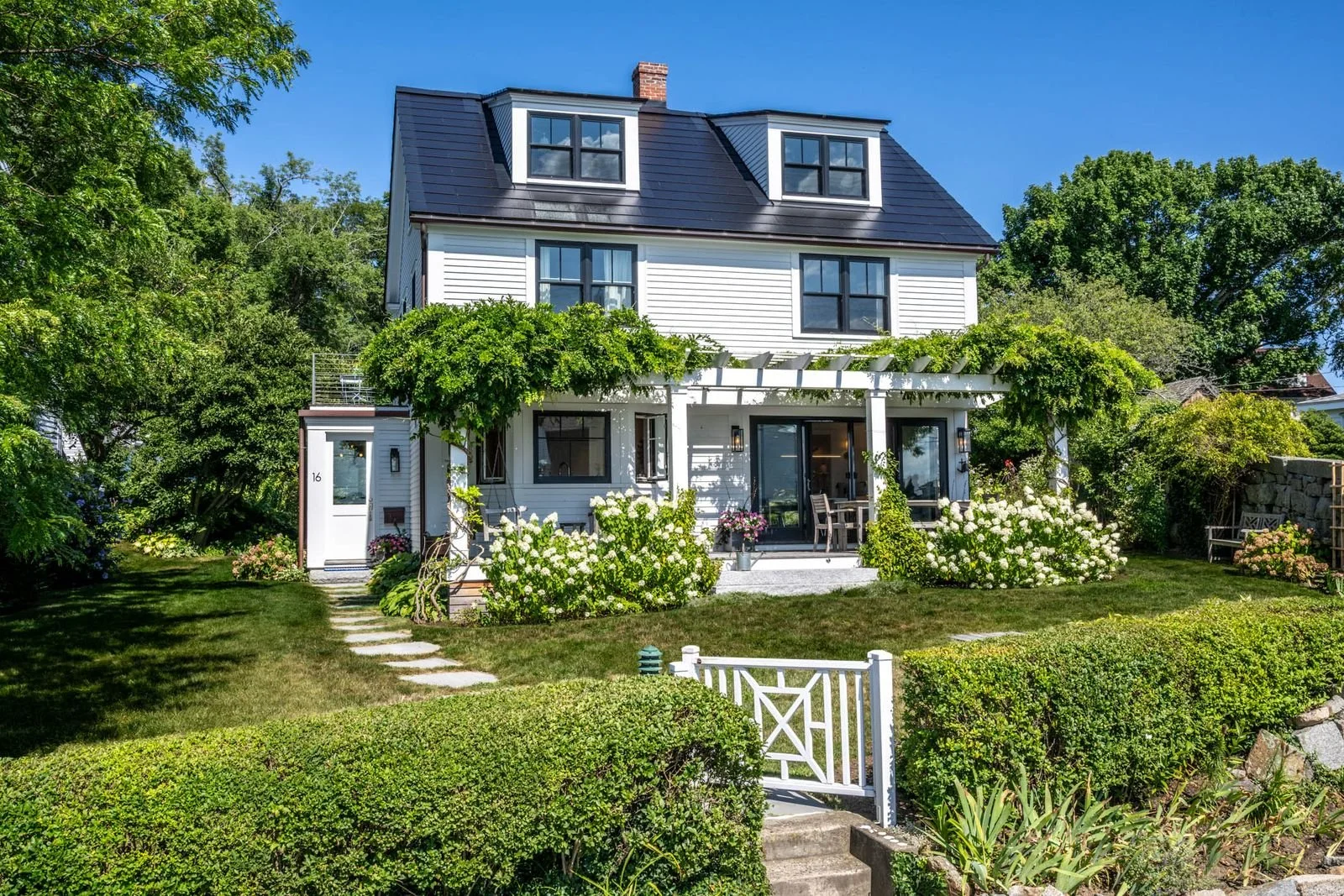
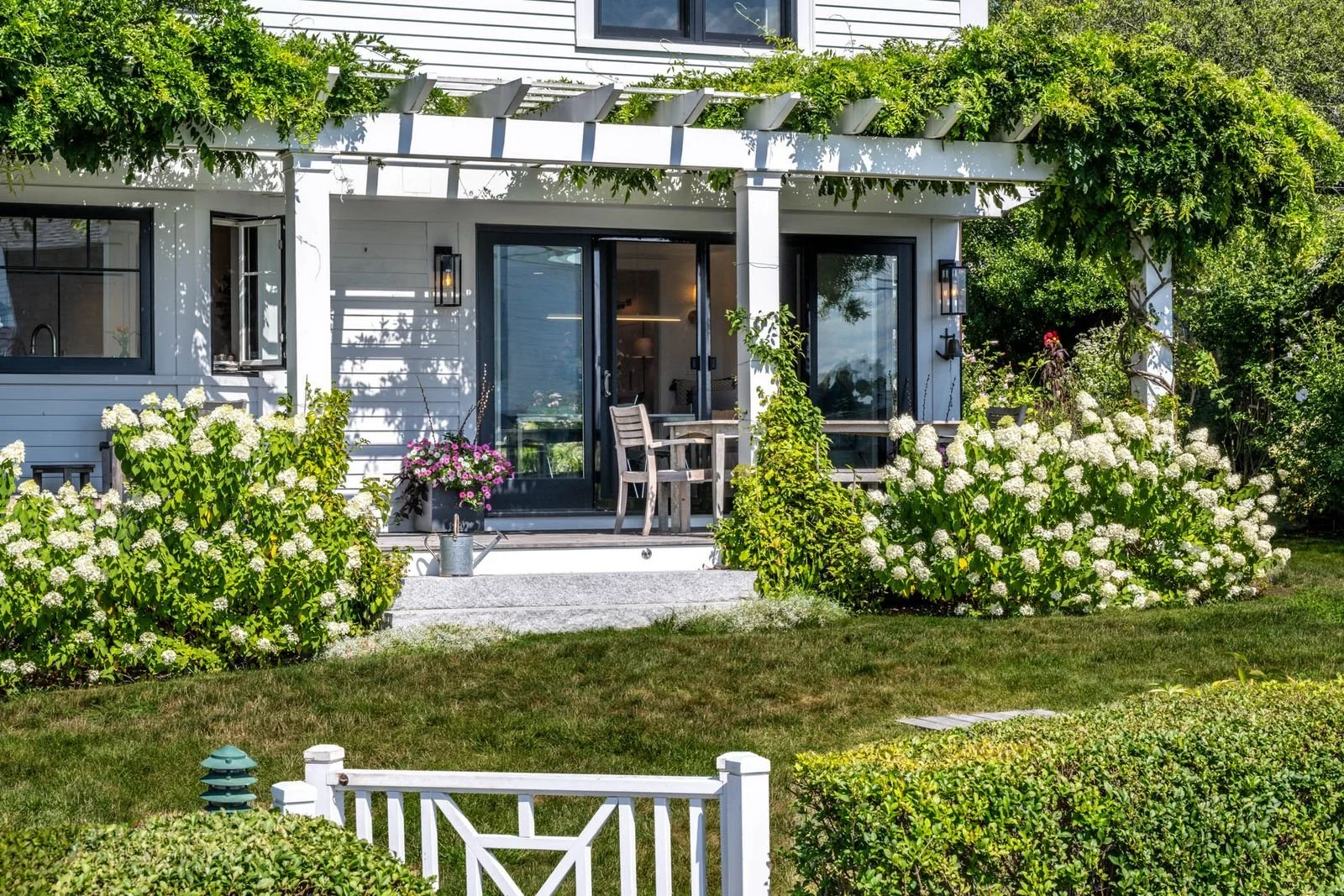
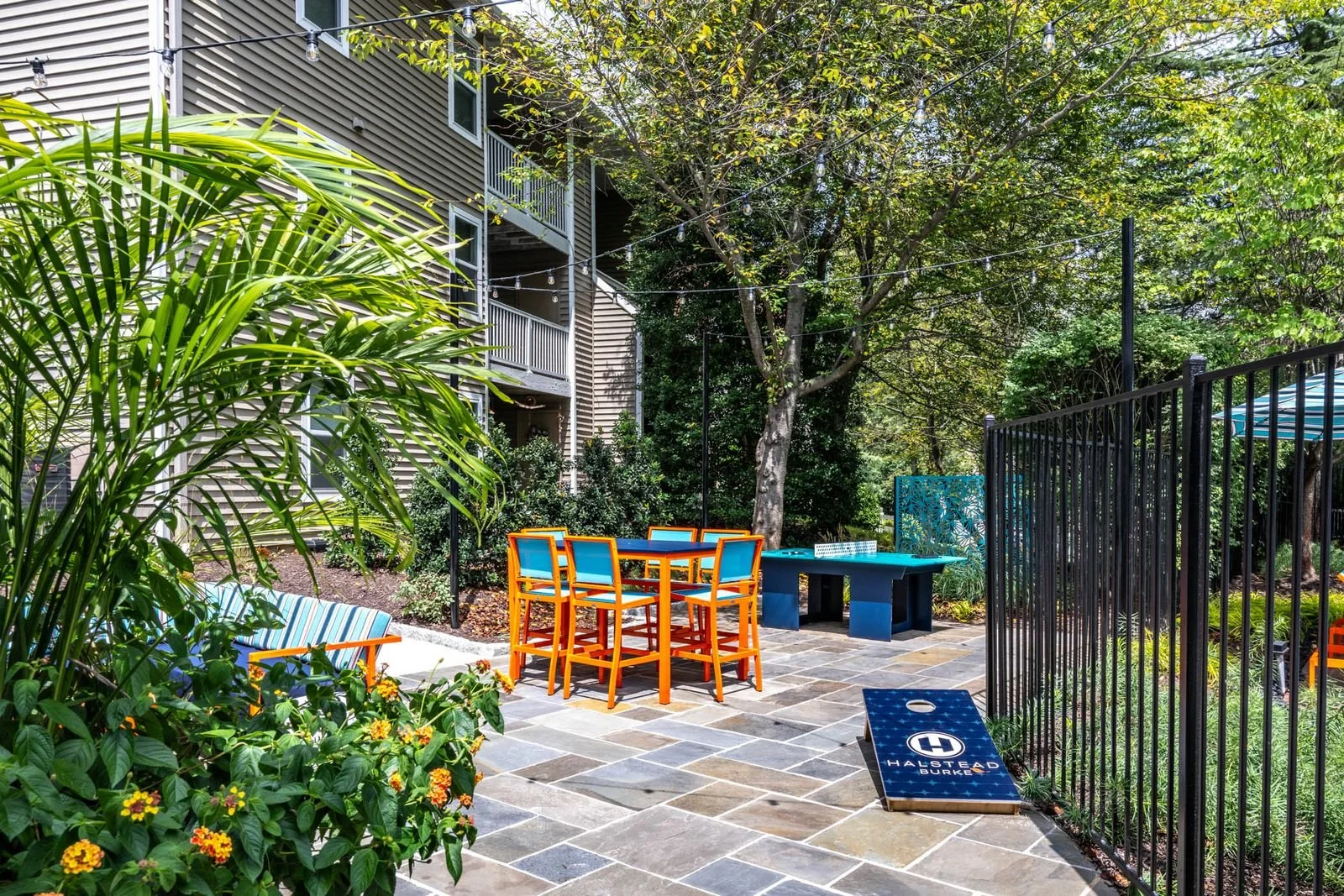
Something as simple as a table or small gathering spot can bring a large apartment complex or busy office setting down to a much more personal scale. These smaller spaces show how people can connect with the landscape—and with each other—in a way that feels intimate and inviting.
Amenities
Amenities like play areas, game spaces, fire pits, and other gathering spots become part of the landscape too—and often they’re the spaces people connect with most. This is especially important when photographing apartments, condos, parks, or other shared spaces, where people want to imagine themselves enjoying the property. Highlighting these areas adds life and fun to the property and helps illustrate what it would be like to spend time there.
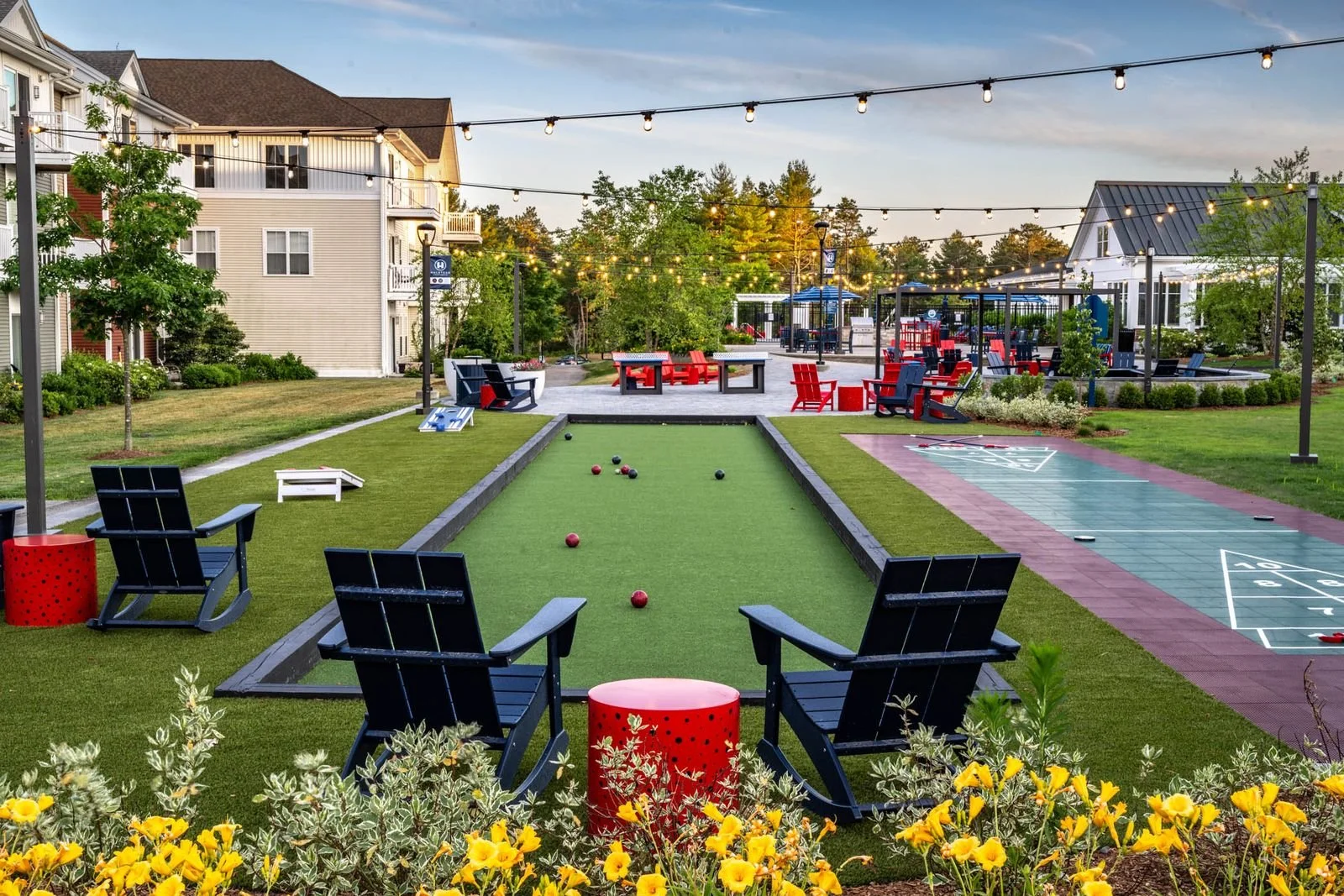
In the end, the building really is only half the picture. As an architectural photographer, I’m always looking beyond the building itself and thinking about how the surrounding landscape can become part of the photograph. Sometimes that means stepping back to show how a building settles into its surroundings; other times it means moving closer to capture the smaller spaces where people gather, play, relax, and connect. By weaving the landscape into the photography, I can tell a richer story—not just of the architecture, but of the place, the experience, and what it feels like to be there.
Fall is the Perfect Time for Landscapes
Early fall presents some of the year’s best landscape opportunities with crisp blue skies, excellent lighting and landscapes that have recovered from the hot dry summer weather. If you have a great building accented by stellar landscaping please give me a call and let’s get your shoot scheduled.