
One of the things I enjoy most about architectural photography is the variety of spaces I get to photograph. Educational institutions are particularly interesting because they encompass just about every type of architecture imaginable—from historic academic buildings and traditional classrooms to laboratories, athletic centers, and gathering spaces.
Each has its own challenges but the objective is the same - capture the character of a space while communicating the architect's vision. Getting there requires different approaches depending on the building, the lighting, and how the space is intended to be used.
Finding the Right Perspective
When I arrive at a location, one of my first considerations is determining the viewpoints that best communicate the architecture.
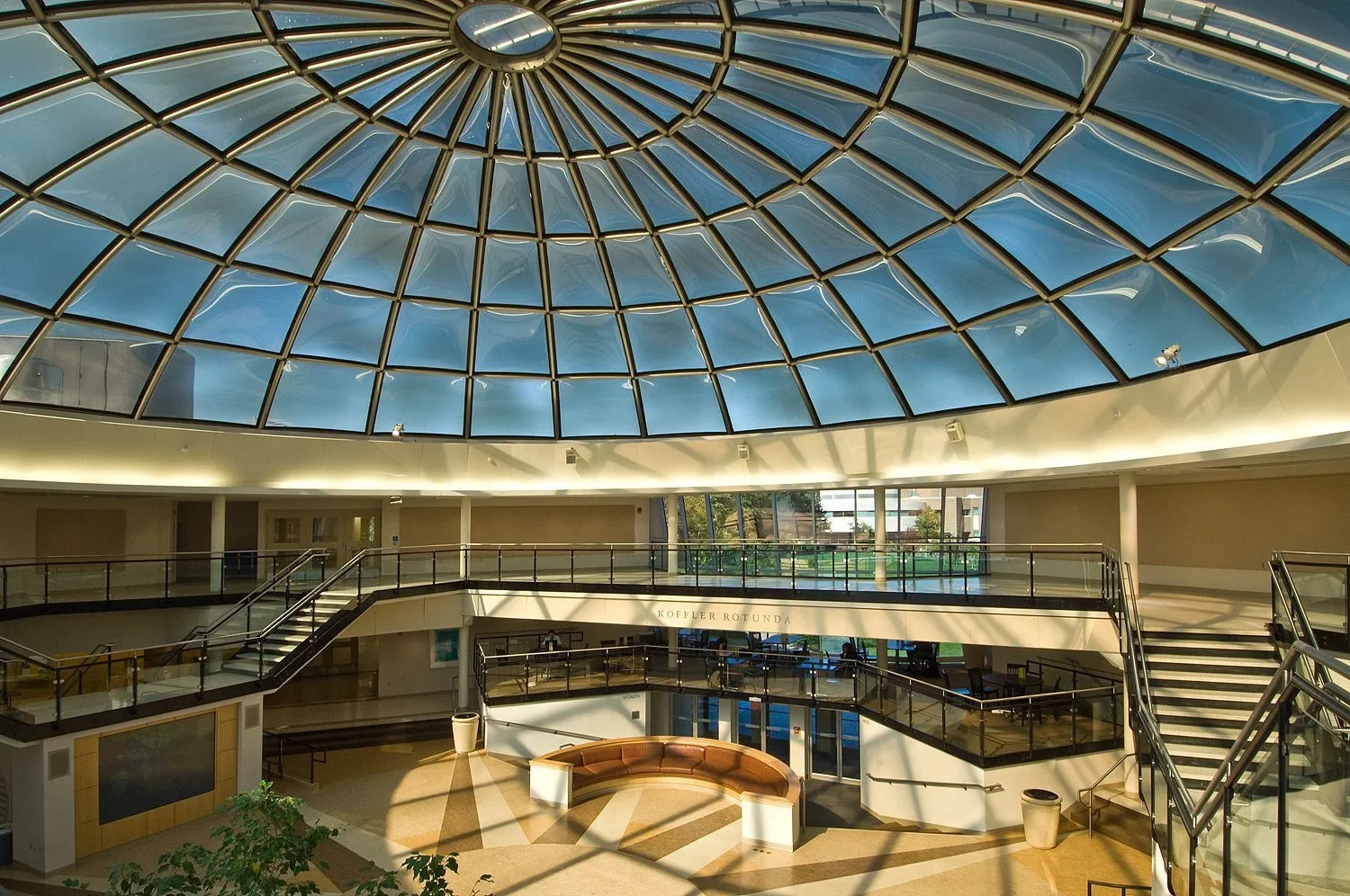
Sometimes the answer is obvious. Other times, it takes a fair amount of exploring. This dramatic rotunda with a sweeping glass dome, for example, calls for a composition that captures its scale and geometry. I photographed it from an elevated position so the viewer can appreciate the relationship between the dome, surrounding walkways, and open space below.
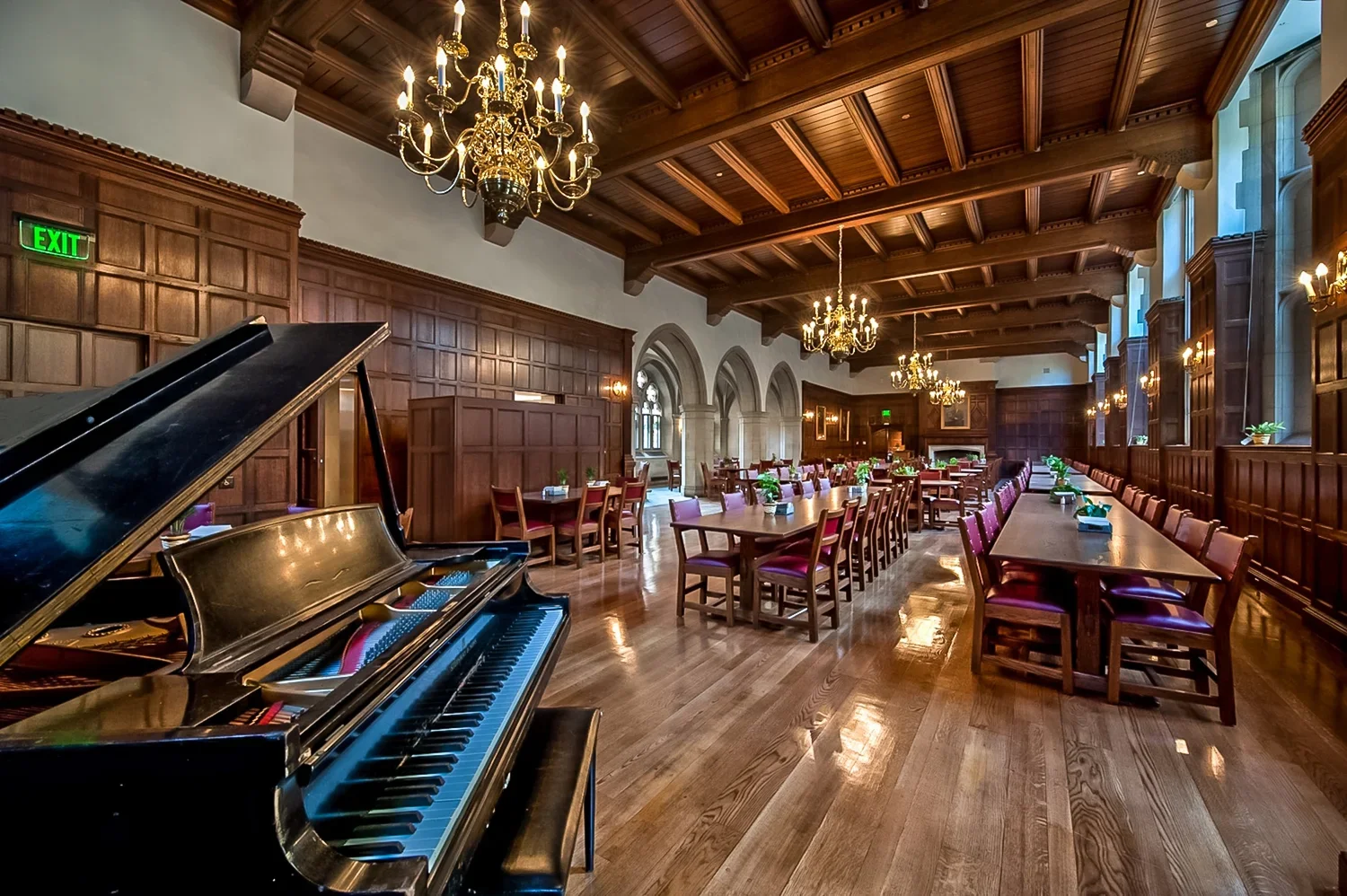
A traditional wood-paneled academic hall requires a completely different approach. Here, the challenge is capturing the warmth of the wood, the rhythm of the ceiling beams, and the room's historic character without losing the sense of depth. In both cases, it's about finding the perspective that tells the most complete story.
Sometimes the Details Tell the Story
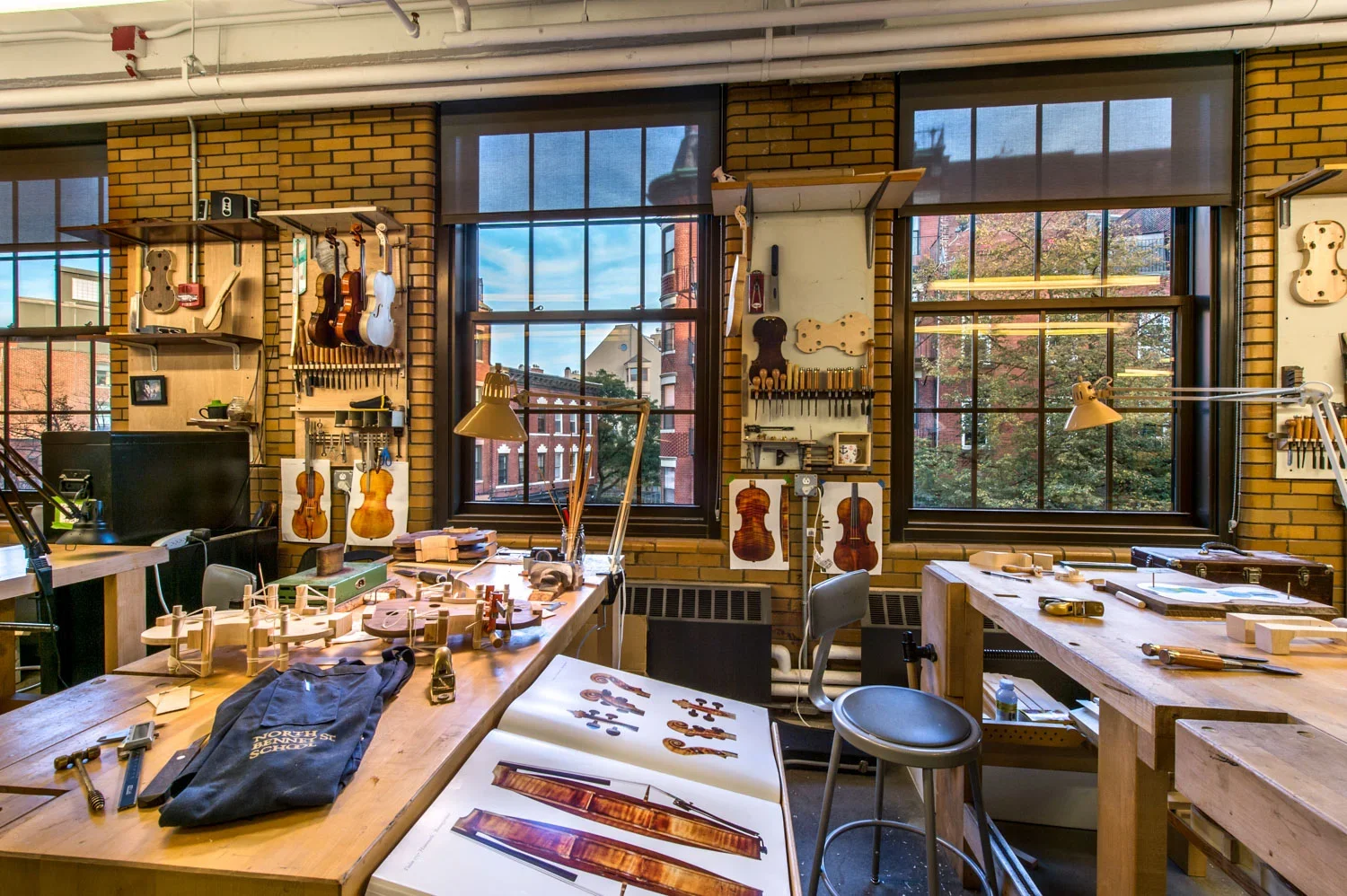
Not every educational space is designed to make a grand architectural statement. One of my favorite examples is the violin-making workshop at North Bennet Street School. It's a fascinating environment filled with workbenches, tools, instruments in various stages of completion, and wonderful natural light.
The challenge here was to include enough of those elements to convey the character and purpose of the room while maintaining a photograph that's visually organized and inviting.
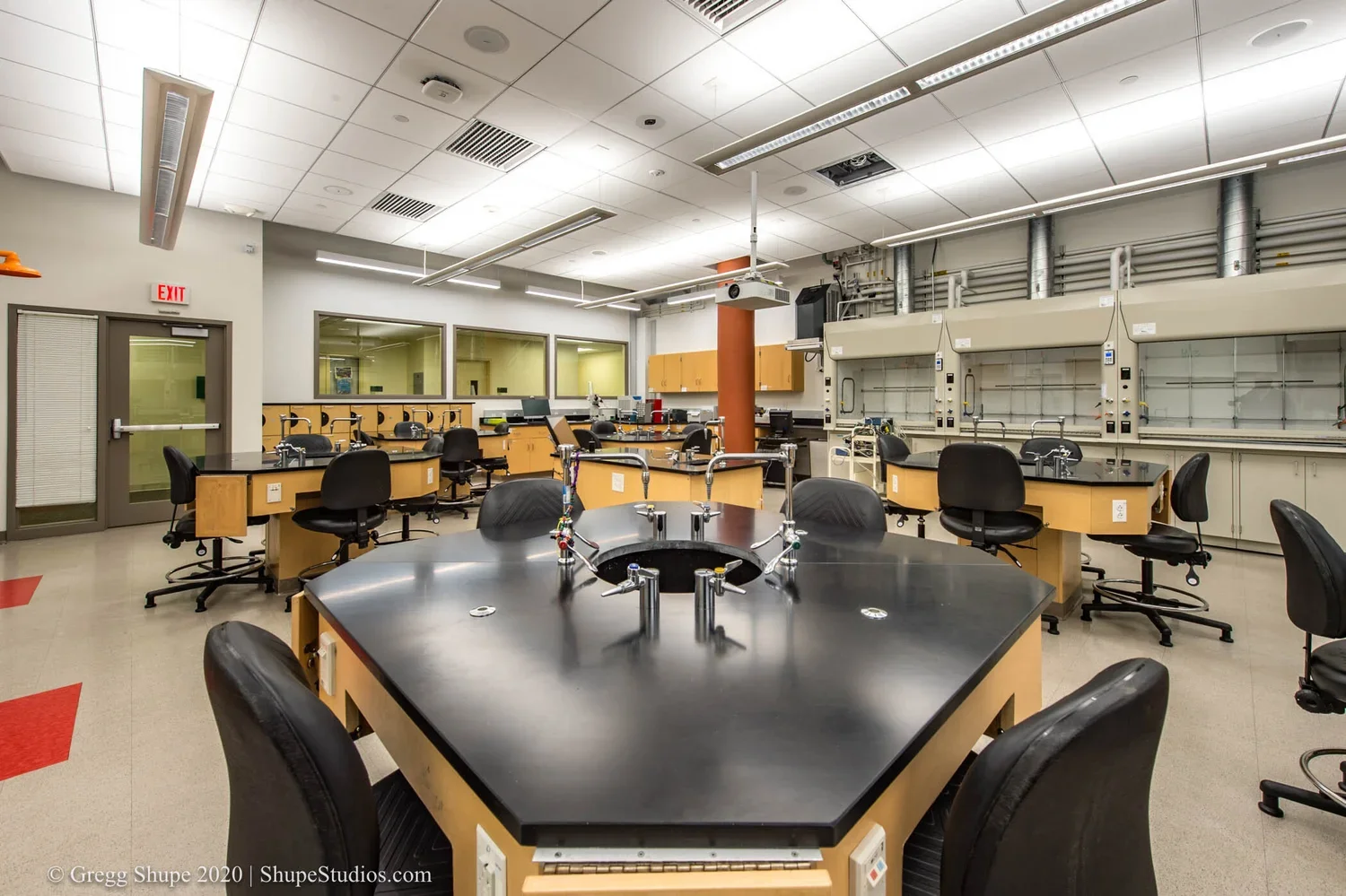
Science laboratories present a similar challenge, although the visual language is entirely different. Instead of handcrafted instruments and wooden workbenches, there are laboratory stations, specialized equipment, and carefully arranged work areas.
In both settings, the details help explain the architecture because the spaces have been designed around very specific activities
Working with Light
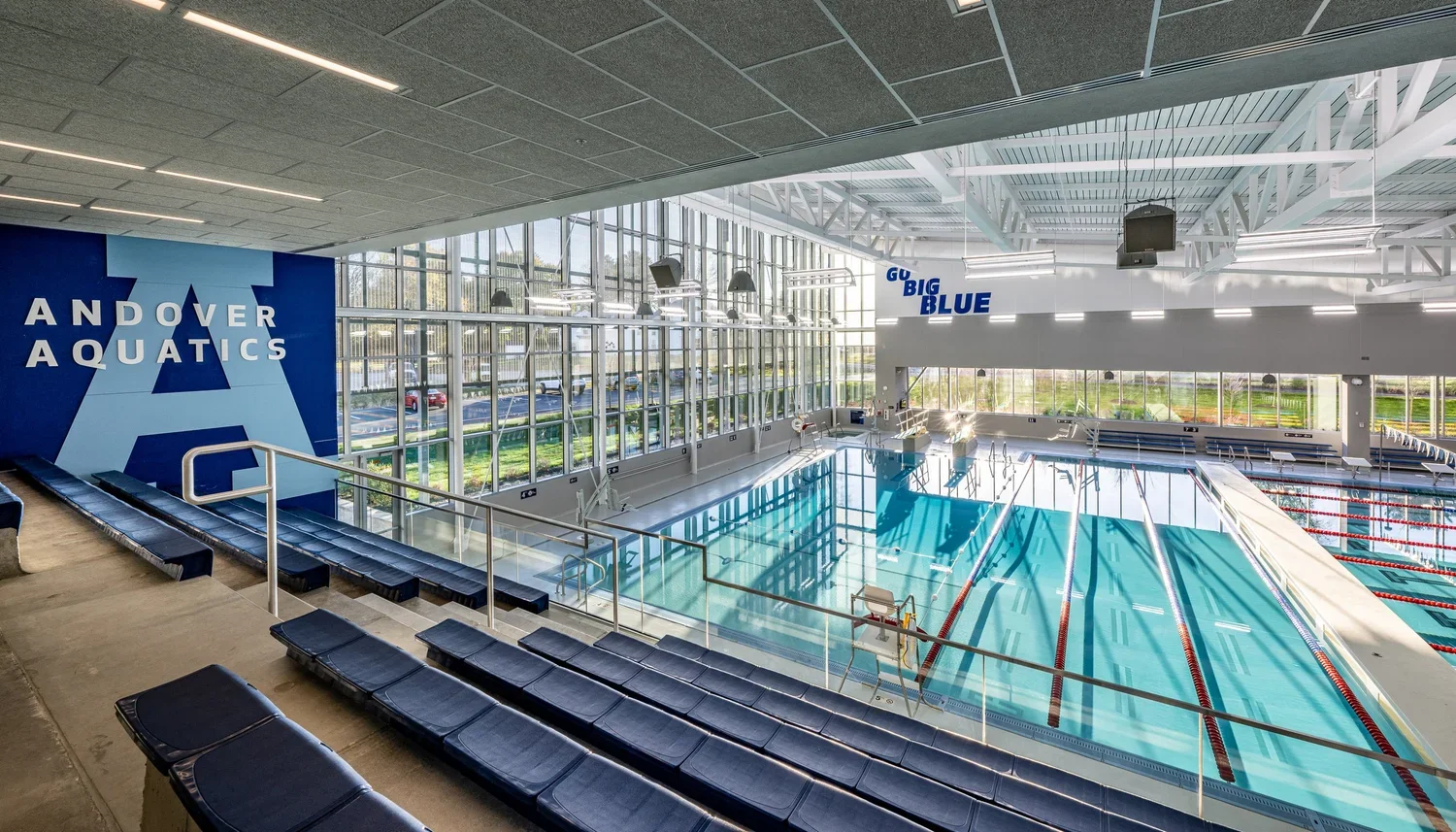
Light can be my greatest asset and alternatively one of my biggest challenges. For example, large windows and glass walls can produce beautiful natural illumination, but they also create substantial differences in brightness between interior and exterior spaces.
The Andover Aquatics Center is a good example of an environment where light plays a major role. Its expansive glass walls, white structural elements, and reflective water created the challenge of maintaining balance and detail throughout the image while working only with natural light.
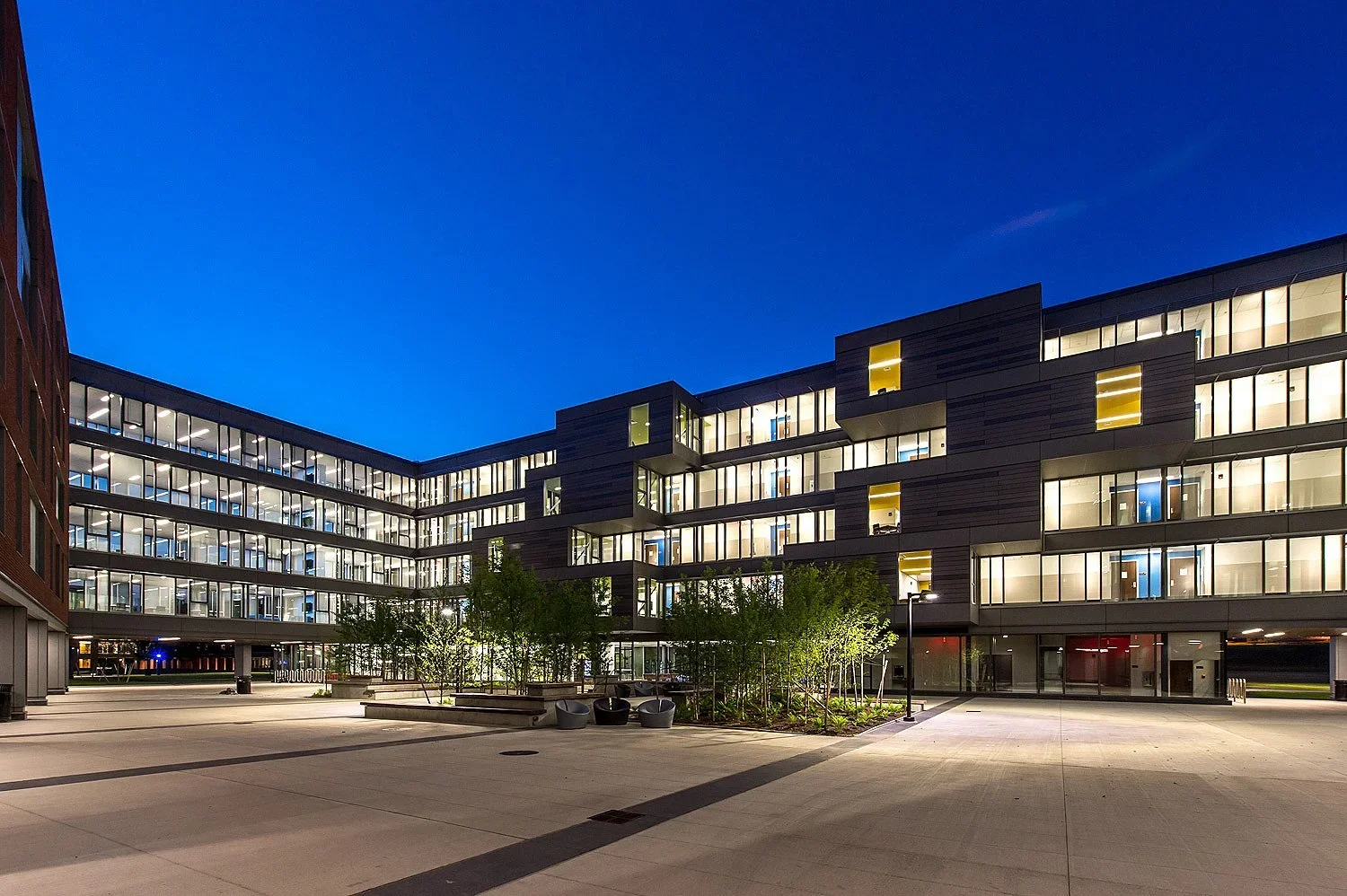
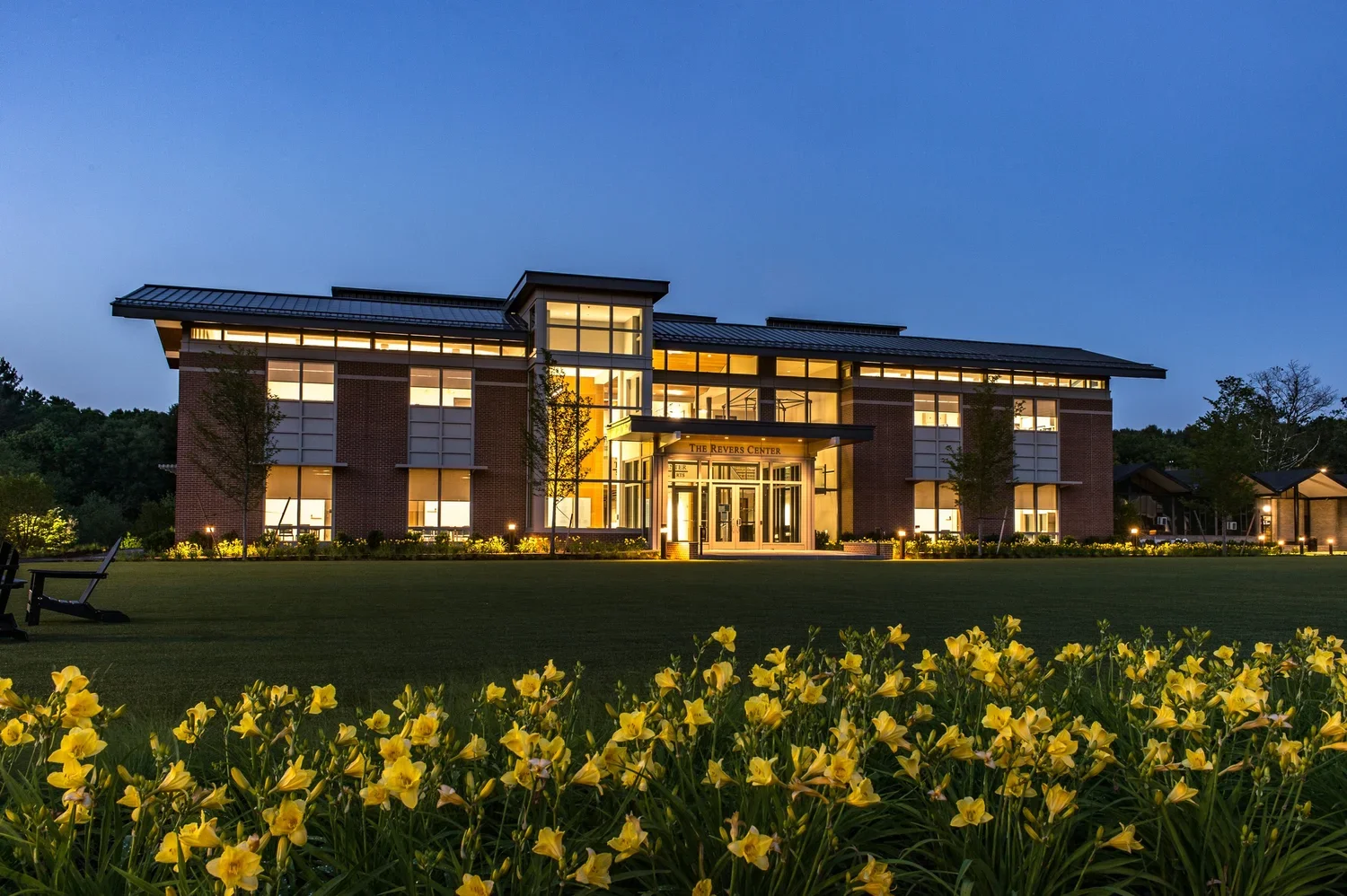
Exterior photography presents another consideration - timing. I particularly like photographing buildings around dusk, or as photographers refer to it “magic hour”. This building at The Rivers School illustrates it beautifully. The warm glow from the windows creates an inviting presence, while the remaining daylight provides enough illumination to define the building's architecture.
Making Empty Spaces Feel Alive
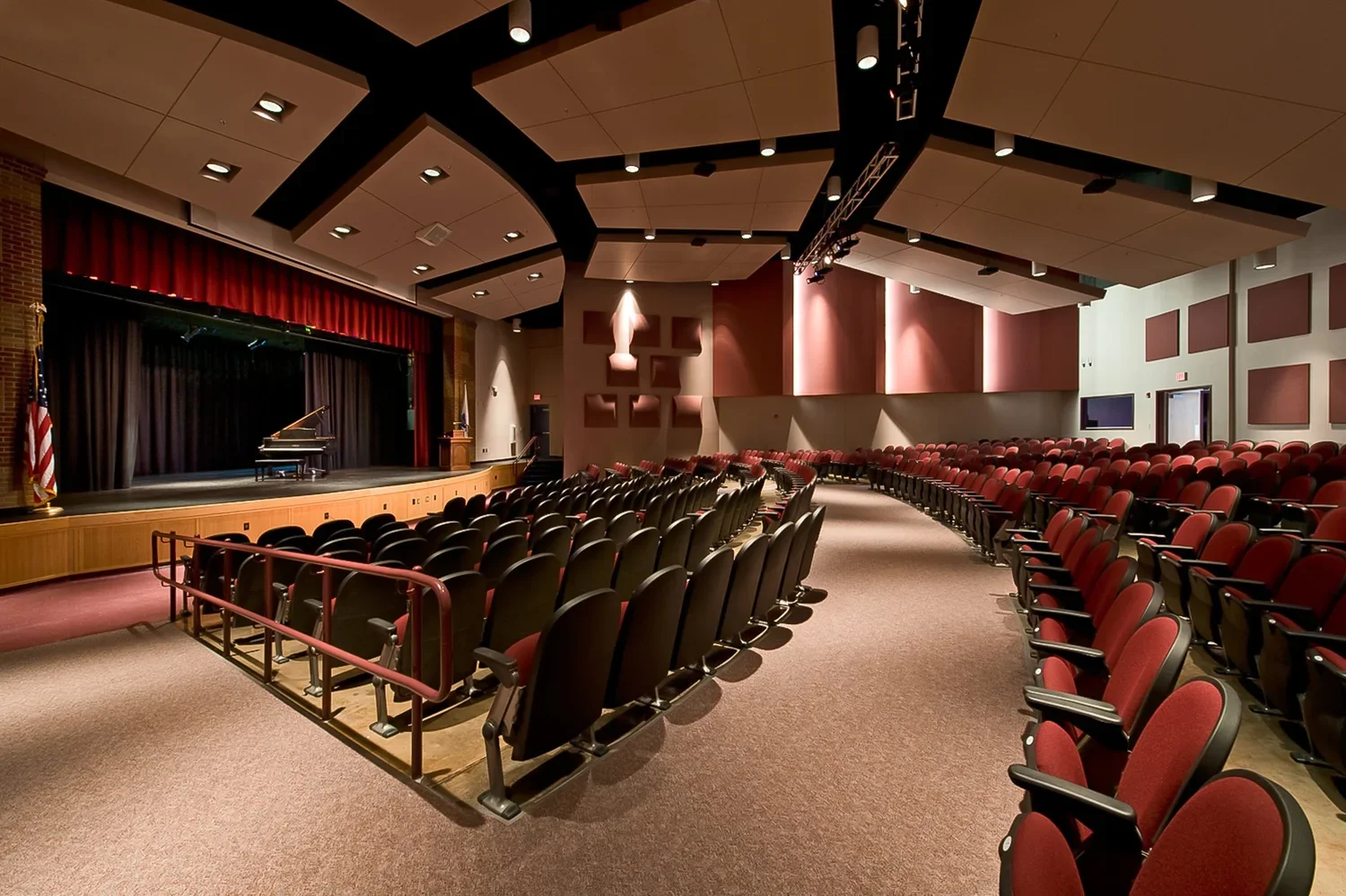
One of the challenges in educational photography is conveying the purpose of a space when no one is using it.
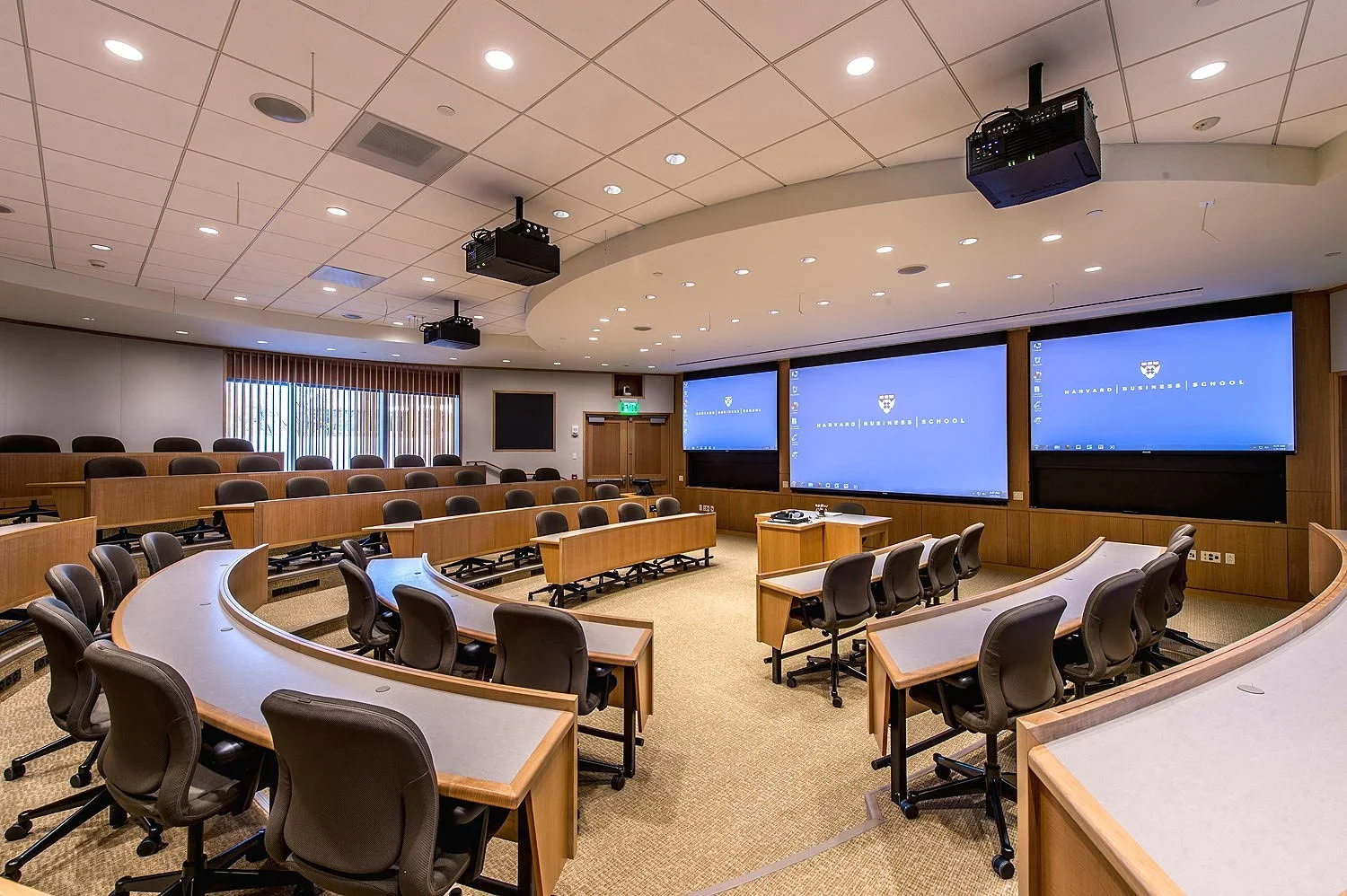
An empty auditorium, for example, can easily become a photograph of rows of seats. But a carefully chosen viewpoint can emphasize the relationship between the stage, seating arrangement, lighting, and architectural details. The same is true of libraries, classrooms, and student lounges.
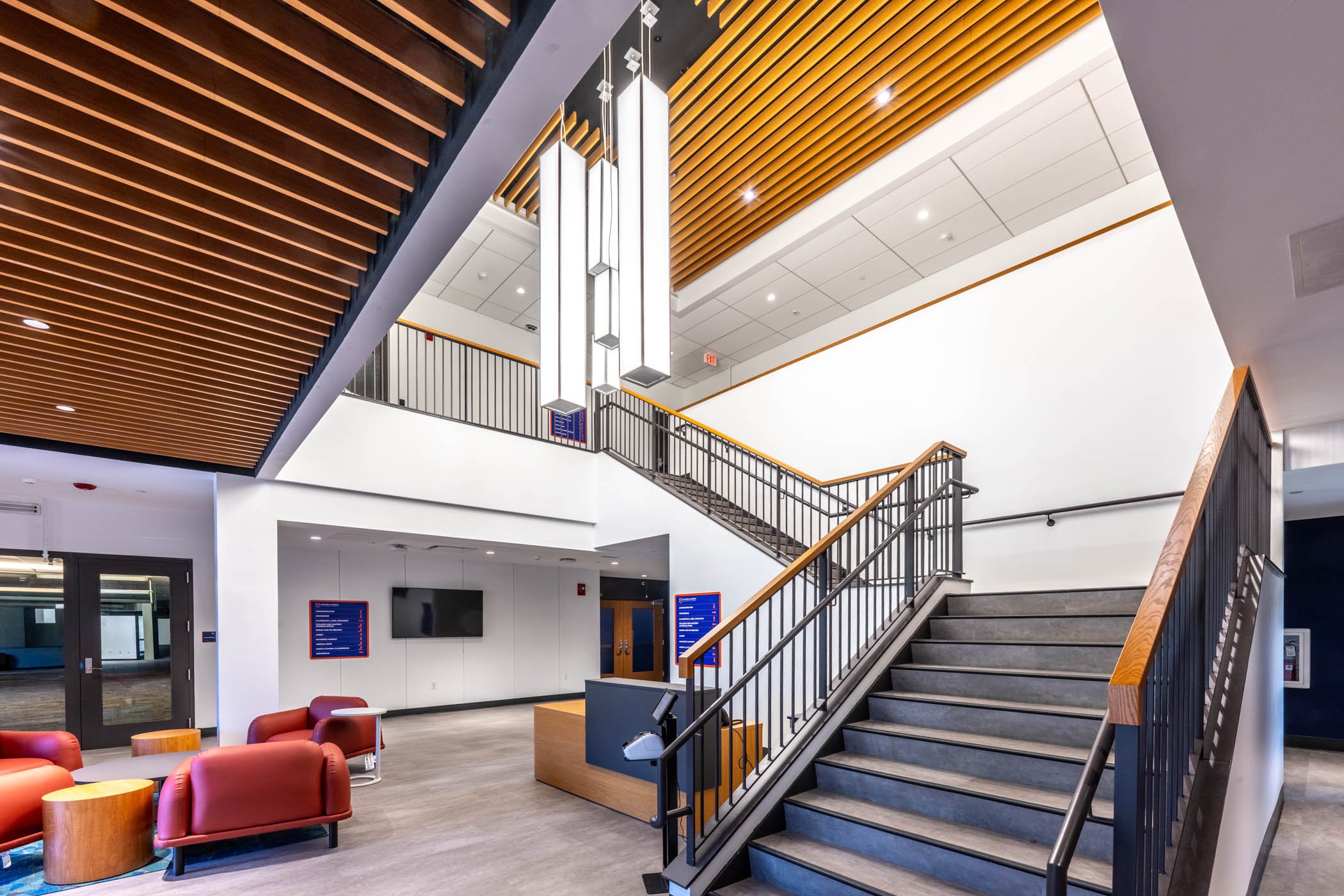
Here is a nice example of a staircase and seating area that suggest movement and interaction even without people present.
Understanding What the Architect Wants to Show
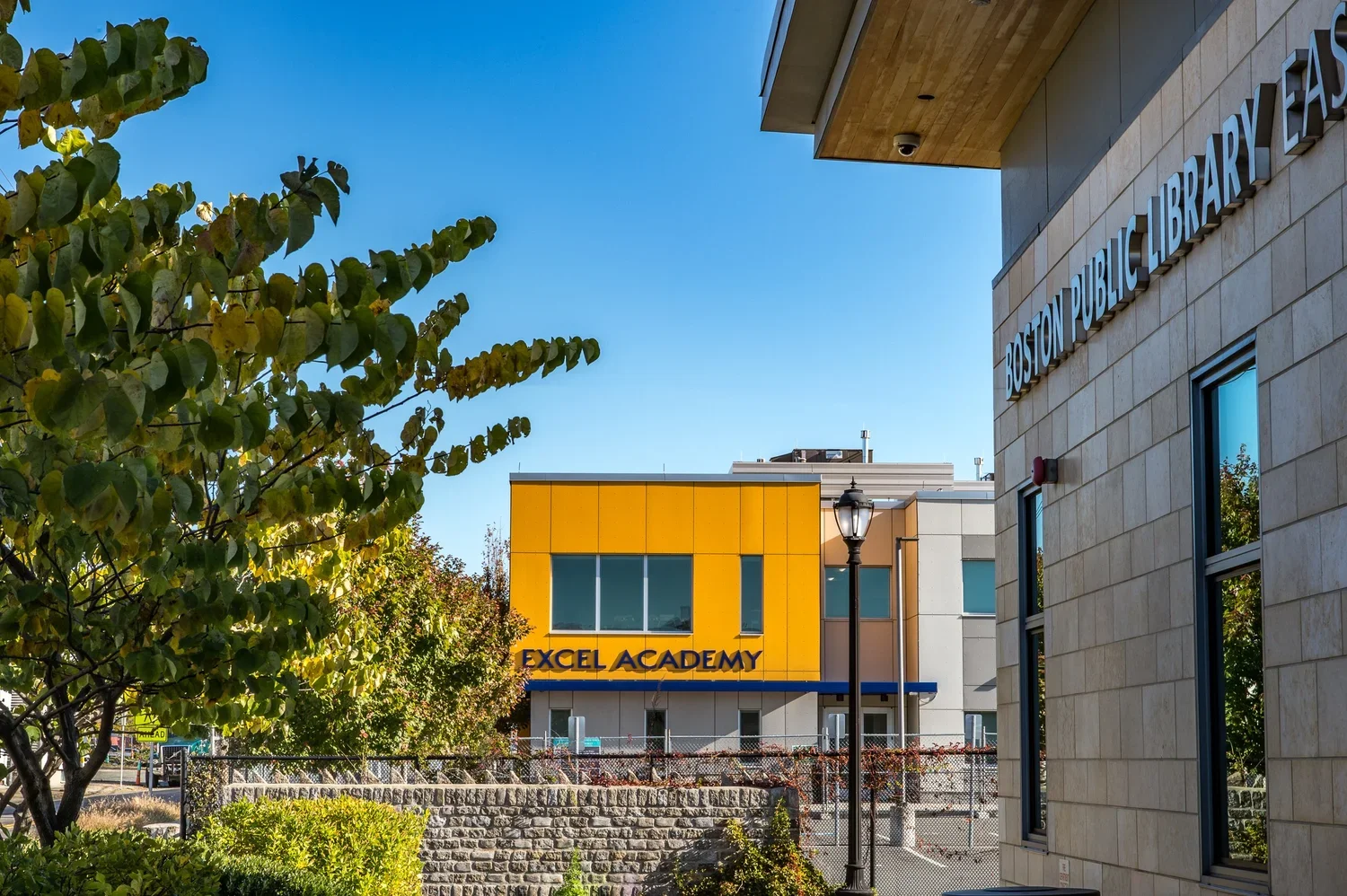
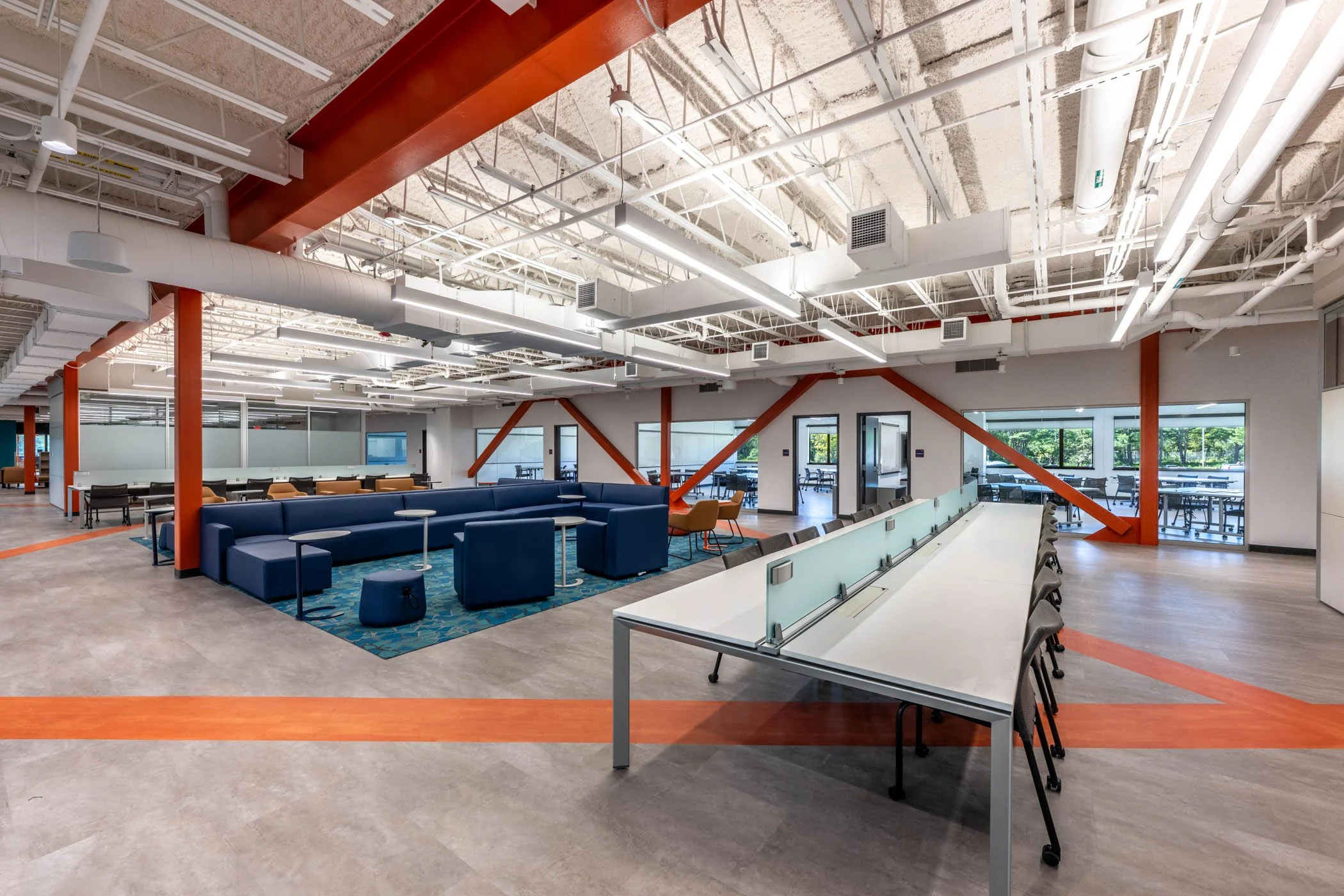
Perhaps the most important part of any architectural photography assignment is understanding what makes the project distinctive. Things such as the way natural light fills a gathering space, the relationship between a new building and the existing campus, an innovative layout or the interplay of architecture and materials. Understanding this helps me determine which photographs will best represent the project.
Every Campus Has a Story Worth Telling
Over the years, I've photographed educational environments ranging from elementary schools to universities, each with its own architectural personality. Some are impressive because of their scale. Others stand out because of their craftsmanship, innovative design, or the thoughtful way they've been adapted to their purpose.
Ultimately, my goal isn't simply to show what a building looks like. It's to create images that help people appreciate the design decisions, details, and ideas that make it special. That's what makes photographing educational architecture such rewarding work. If your school or university has a new building, needs updated photography, or you want to take your visual presentation to the next level please give me a call and let’s schedule a walk-through.