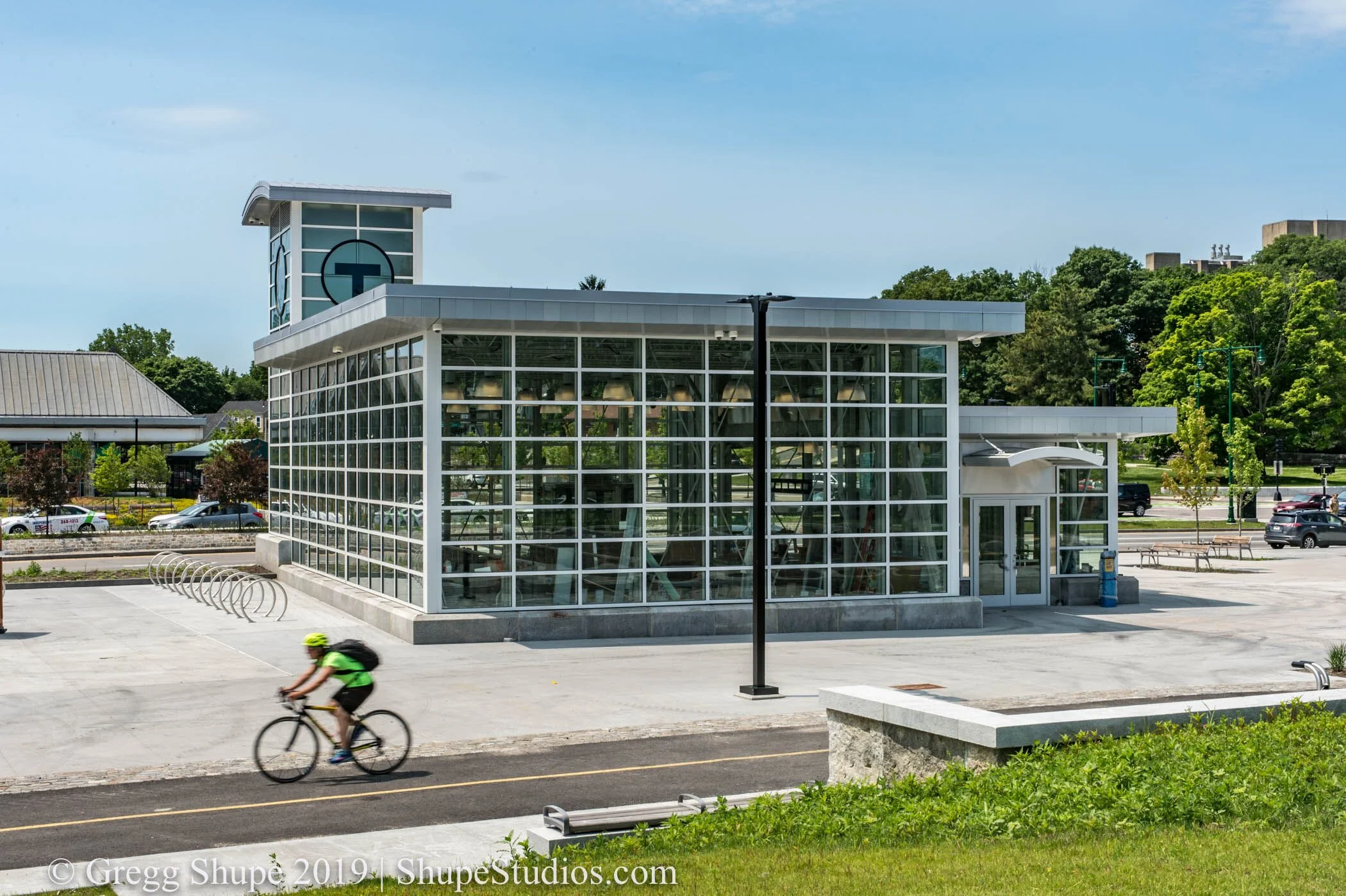
Rule Number 1 in Architectural Photography – Light it Right

One of the most important aspects of photography is lighting. It is true both indoors and outdoors but has particular application for architectural photography. When shooting a building most property managers assume the photographer will come out on a nice day, set up, take pictures and that is the end of it. Not quite. A commonly overlooked fact is that during the course of a day light shifts around a building and therefore to do it right so must the photographer.

Some shoot all sides of a building at the same time but there is a big downside. Photographing all sides at once means one side may look great but the rest can be sub-par. Take an east/west facing building – a morning shot of the front will be bathed in light but leaves the back in shadows. Retouching and Photoshopping can help but the presence of distinct shadows will limit the degree of effectiveness. The bottom line is that shots taken at the right time will look the most authentic and be the most visually impactful. The only effective solution is for the photographer to shoot a building at different times of the day to capture optimal sunlight on each side.

Case Study

Let’s take a look at a recent shoot – the new Lexington Visitors Center. I photographed the building at three different times to capture the best light for my client.

Morning – Back

The first series of shots were taken early morning to capture this side of the building in full sunlight.
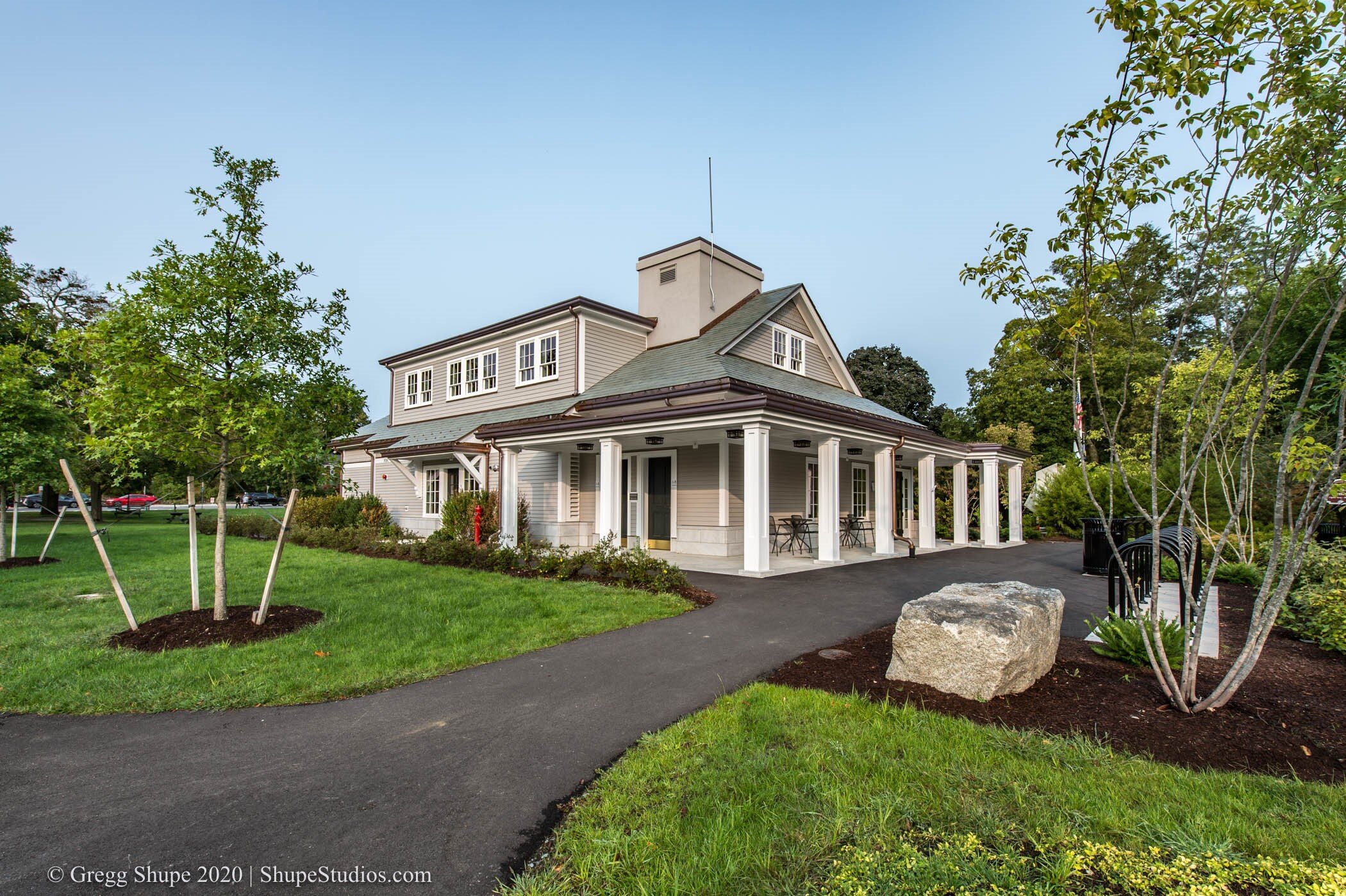
gregg shupe architectural photography - lexington visitors center.jpg
Shupe architectural photography - lexington visitors center.jpg

Afternoon – front

I returned in the afternoon to capture the west facing front of the building in full sunlight (during the morning shoot this side of the building was dark and in shadow)

lexington visitors center front - shupe photography.jpg
lexington visitors center.jpg

Evening – Magic Hour

I then returned a third time, in the evening, just after sunset to capture an additional lighting scenario – the time of day photographers refer to as “magic hour” where you have the perfect mix of ambient and artificial light.

lexington visitors center magic hour shupe photography.jpg

Interiors

Yes, time of day definitely matters with interior shots. A staged interior is best shot with photographer lighting to draw your eye toward the staging and room architecture.  Conversely an empty or sparsely furnished room can benefit from strong sunlight to create “window graphics” on the empty floor. You can see an example below in the Visitors Center. The light pattern on the floor clearly adds interest and helps to fill the room. I had to be there at exactly the right time to capture the incoming light and place the window graphic where I wanted it on the floor. Think about that same picture without the window graphic – it would look flat and empty.

lexington visitors center interior shupe photography.jpg

 Surrounding Structures

We don’t tend to think about surrounding structures or trees until we set out to photograph a building  then realize they are stealing its light. We need to factor not only the sun’s position in the sky but also where and when shadows fall onto our subject building. Not too long ago I was asked to photograph Old City Hall in Boston. A commanding structure when it was built it is now dwarfed by much taller office buildings making the shot difficult as it falls in their shadows. In this case pre-shoot planning was critical as I had to observe the interplay of light and shadows throughout the day before I could determine an optimal time for the shoot.

old city hall shupe photograohy.jpg

 In some urban environments or situations such as time of year you need go to plan B – recognizing a daylight shot may not be your best option. In that case a twilight “magic hour” solution may be the best option. This can also be a good solution when, in the case of office buildings for example, you want them looking occupied. Later in the fall and particularly with the arrival of daylight savings time buildings are fully occupied at twilight (with current COVID exceptions) and all the lights are on. This can make for a great photo.

Light it Right

Shooting each aspect of a building in the correct light is imperative for quality architectural photography. That may mean coming back to the shoot different times throughout the day – or even on different days because of Mother Nature’s fickleness.

Preplanning is a critical element – it is important to scout the location for time of day, presence of surrounding structures and planning for contingencies. Also consider time of year and leave time in your due dates for potential weather delays.

When you are considering architectural photography make sure you remember that as light shifts around a building so must the photographer. (At Shupe Studios we gang our hours to enable this benefit in every project we undertake.)

Impressive pictures of your property are integral to successful marketing. Attention to detail, planning, and proper lighting pay big dividends. A myriad of things go into successful photography but when you think about architectural photography don’t forget rule number one - light it right.

Don’t Wait Until Spring – the Advantages of Fall Photography

Fall is a terrific time of year to shoot landscapes and building exteriors. Plants have recovered from the intense summer heat and landscapes are at their best. Building construction tends to finish in the fall so you will be shooting completed projects while everything is new and fresh, with easy access to the premises. Importantly this year’s projects can be photographed and utilized for marketing purposes during winter and spring.

Clipper Ship East Boston

Green Landscape

Victor By Windsor Gardens

Once September arrives plants have had a full growing season behind them and have recovered from summer dryness. Lawns are greener, plants look healthier and the landscape is more lush. If your intent is to make the best impression these are important considerations.

The Business Cycle

Meriel Marina Bay Quincy

Often, project exteriors are completed in the fall while interiors will be finished over the winter. Taking fall shots of a building exterior allows you to make it appear farther along than maybe it is and provides the opportunity to merchandise a project in advance. A good example is apartment buildings or condo complexes where you will be pre-selling prior to project completion. Photos go a long way toward helping people visualize your project, making for an easier sell. By combining shots of a building with the surrounding area we can create an excellent presentation even if things are still under construction.

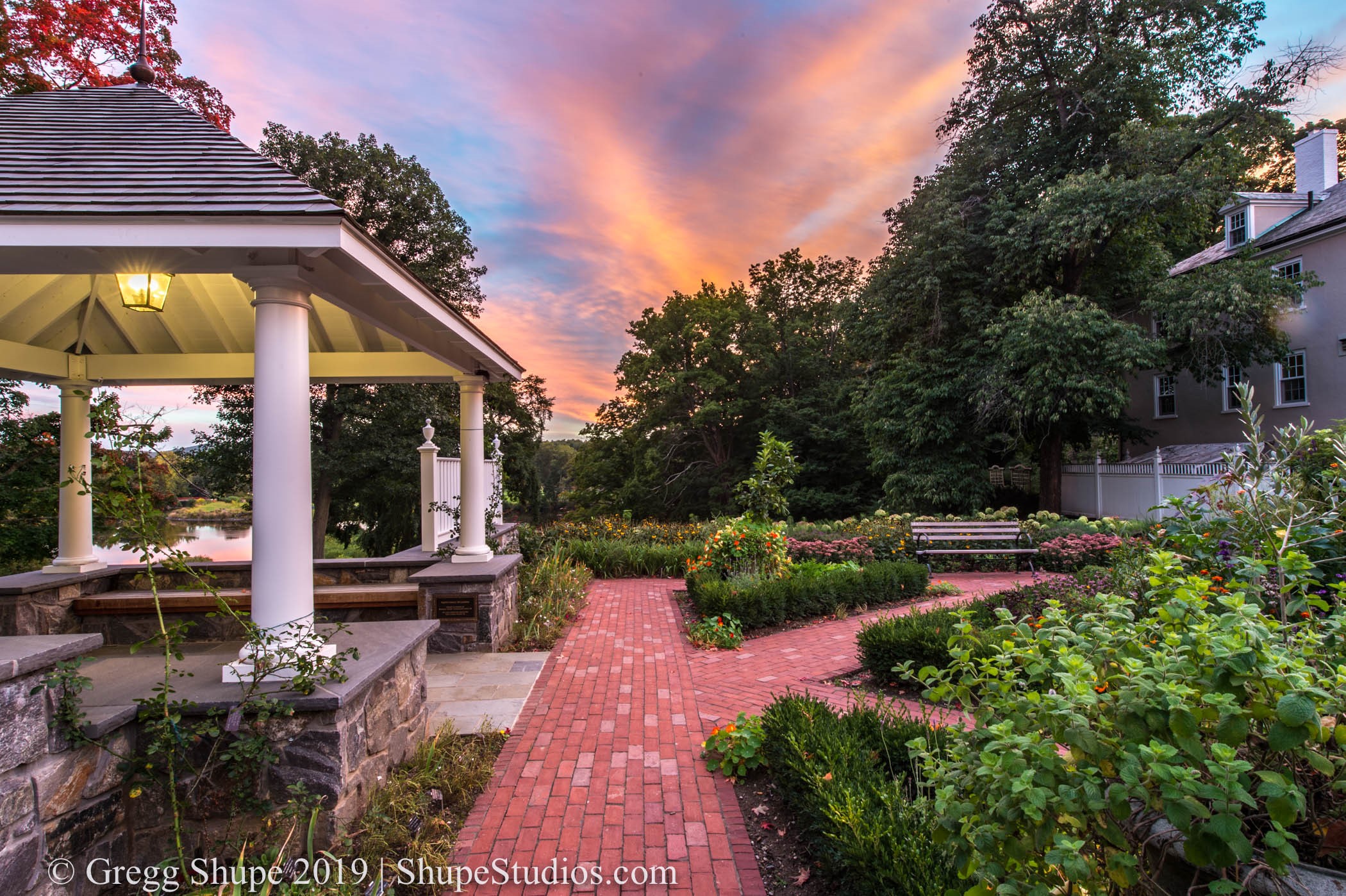
Dramatic Light

Patio Dinning with Great Landscaping

Less moisture in the air means cleaner crisper shots and more vibrant color. Lighting is also a consideration. During summer the sun is higher in the sky and more intense. There are fewer shadows and less contrast so midday photography can be a little harsh on landscapes and buildings. The addition of shadows, contrast and dappled light adds great dimension to your photos. For those needing twilight shots of buildings (magic hour) the shorter days of fall generally prove advantageous.

Fall Foliage – or Not

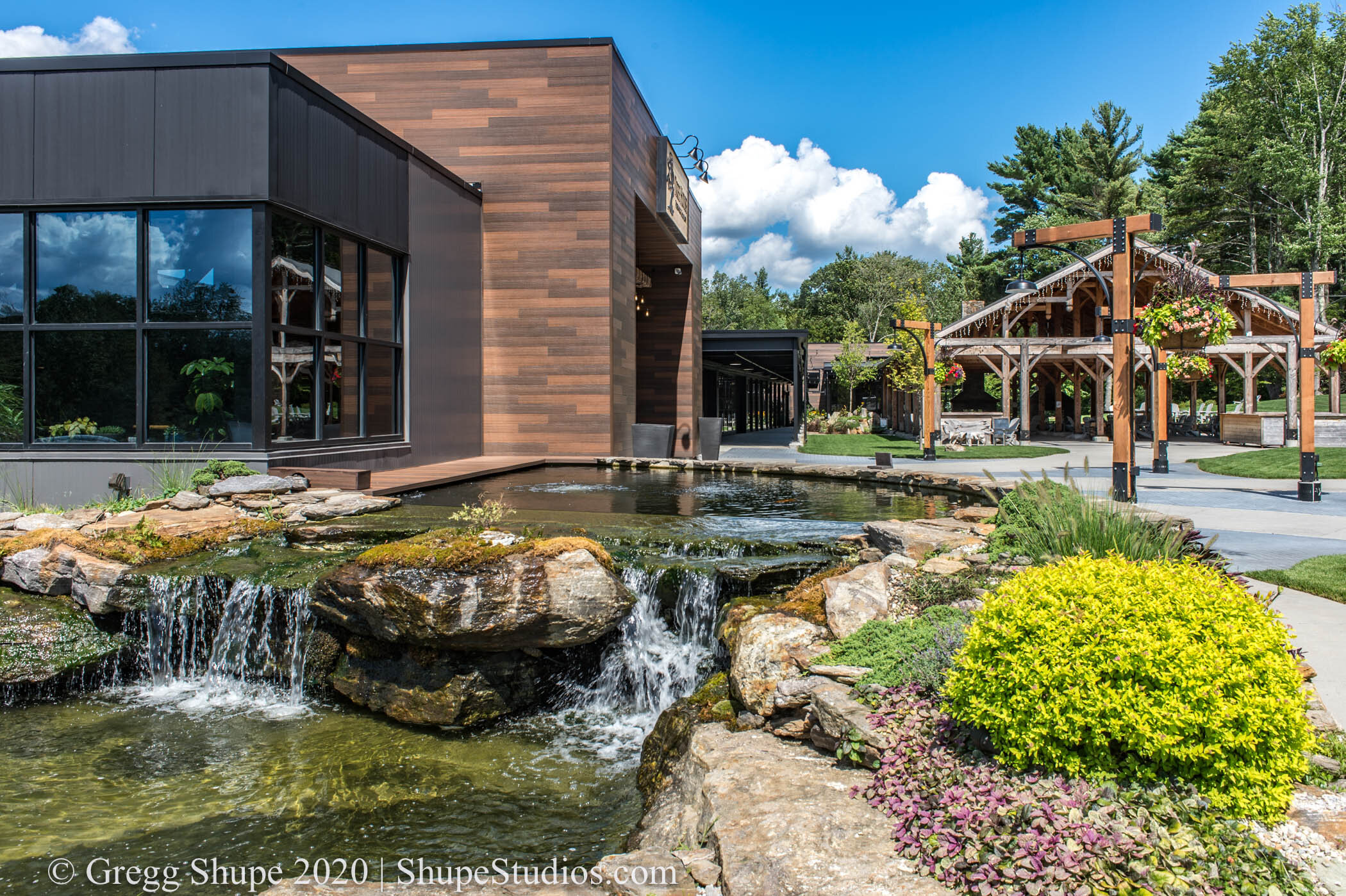
Tree House Brewery

Landscape photography in the fall doesn’t necessarily mean that it has to include fall foliage. The great thing about fall is that you can get the best of both worlds – a nice summer feel or a colorful fall foliage scene. Your subject matter and the purpose of the photo will be the guiding factor. For example, a college campus with fall foliage says back to school and makes a lot of sense to the target audience. Conversely you may want a residential shot to convey the entirety of the outdoor season so a summertime feel is most appropriate.  Fall photography affords both.

Don’t Wait Until Spring

It’s often tempting to wait until spring but there are downsides:

· Late spring photography means you can’t show off what you did last year. That is particularly important when considering the winter / spring selling period in your marketing and project bidding.

· Early spring photography can be difficult for landscapes as plants need to leaf out and lawns must recover from snow cover damage before shooting.

· Wet spring weather can create scheduling problems for outdoor photography combined with the fact that it is frequently difficult to get back on-site months after completion.

If you have completed or nearly completed projects give shooting this fall strong consideration. Your marketing collateral, website and sales materials will show a property at its best. The landscape will be pristine and fresh just the way you want it and importantly you will be ahead of the curve – showing your most recent projects now vs. later.

Here at ShupeStudios we’re experts in architectural photography, both residential and commercial. We have years of experience shooting building interiors and exteriors – including landscapes. Want to get a head start on next year – give me a call and let’s discuss fall photography.

Making Assisted Living Units Photography Look Grand

Making Assisted Living Units Photography Look Grand

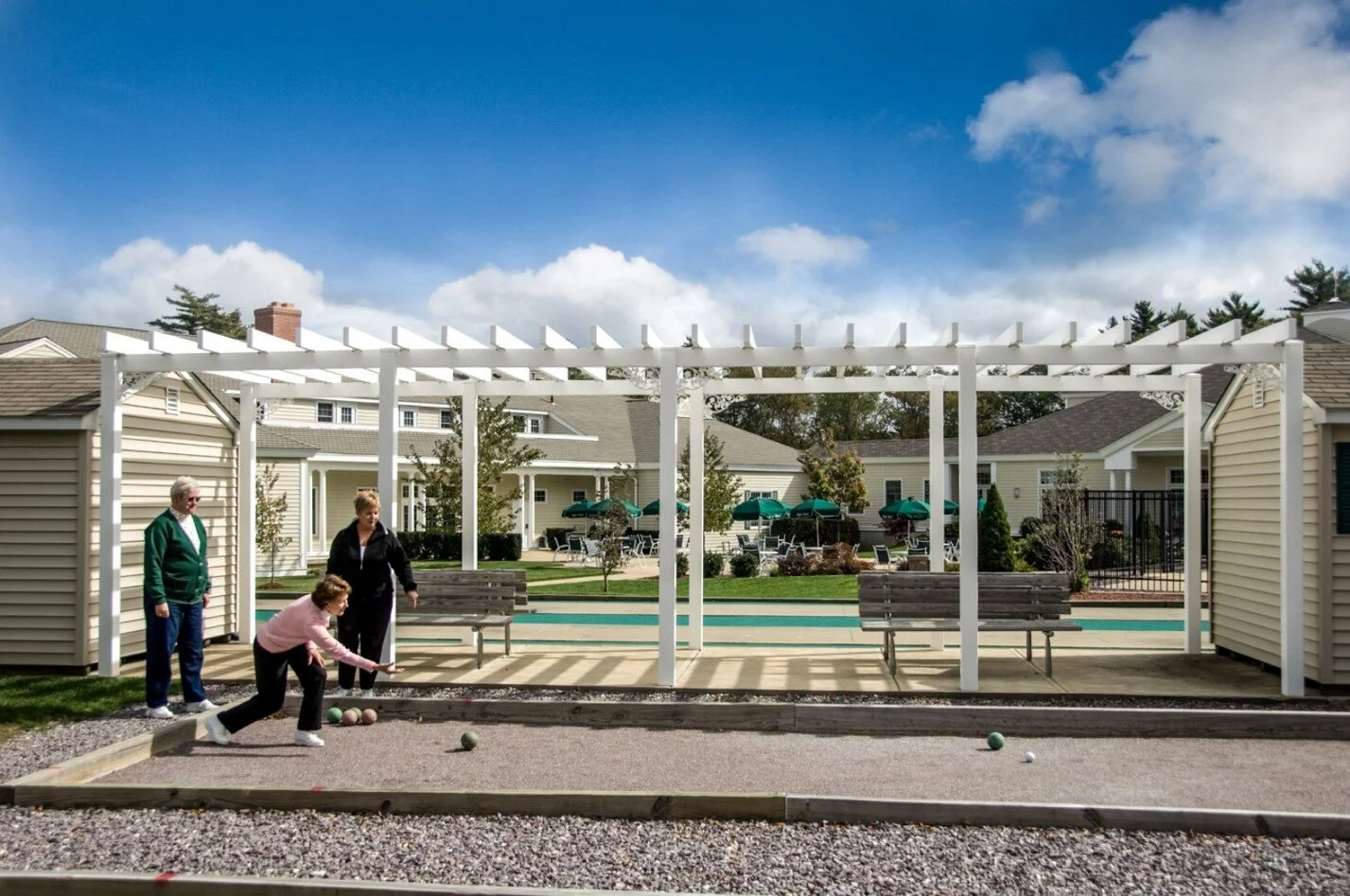
As the generation of Baby Boomers continues to get more gray hairs, we’re seeing non-stop construction of more Assisted Living Units and Continuing Care Retirement Communities (CCRC). For many, this transition from independent house and family living can be a daunting change. It’s up to you to make sure your photos capture the quality of your units and common spaces, as well as all the community and fun that is available to residents. I’ll break down a few of the most common ways I capture it.

Read More

Where Do Vertical Images Fit into Architectural Photography?

Where Do Vertical Images Fit into Architectural Photography?

Professional photography in general – but also architectural photography specifically – makes use primarily of horizontal images. The term “landscape” to denote orientation is very telling – not only for shooting scenic vistas but also to provide a more grounded look for architectural photography of the exteriors and interiors of buildings. Today I’m going to look at the place vertical images have in architectural photography and why you should make sure your photographer is taking some.

Read More

Sustainability in Business, Photography, and the Coronavirus

Sustainability in Business, Photography, and the Coronavirus

It’s a strange time for any individual, let alone a business owner and operator. However, during this time of stay-at-home orders, remote work, and social distancing, it’s important to take pride in the small victories we can all have. For years I have been an avid believer in sustainability, and I’m finding many of my practices and technology I’ve adopted over the years is helping myself, my clients, and, as important, the environment right now during COVID-19.

Read More

Doorways and Leading Lines: Creating Welcoming Photography

Doorways and Leading Lines: Creating Welcoming Photography

While I service clients with all sorts of backgrounds and needs, the vast majority in part or in whole are looking to sell an experience. For the hospitality industry, this means selling individual rooms and activities. For property owners, this means selling a building and its location. For architecture and construction agencies, this means selling the expertise of architecture. With first impressions being vital, I often take special time to focus on entrances for their outsized effects on viewers, making them great tools for all my clients.

Read More

ShupeStudios Now Offering Virtual Tours Through Matterport

ShupeStudios Now Offering Virtual Tours Through Matterport

In the COVID-19 time of social distancing, we all still need to work on, show off, and sell apartments, offices, and real estate. We still want viewers to be able to see and learn about the inner spaces without violating Stay-at-Home orders or putting people at risk. From showing off completed projects and providing insights on the completed property to a showcase for a company’s portfolio and future bids, I am proud to announce I am now offering Virtual Tours through Matterport. This is a great tool that is almost science fiction with a new way to share the architectural experience.

Read More

Architectural Photography: Shooting Unfurnished Rooms

Architectural Photography: Shooting Unfurnished Rooms

A common issue with new constructions or leasing properties for apartments, condos, and houses is getting great photography when the rooms are empty. Often it doesn’t make sense for the property managers or real estate agents to spend the time and money to stock single rooms or full units or houses. But on the other hand, many fear a lack of interest for potential buyers and renters if they just see empty rooms. In this post, I’ll go over some of the techniques and tips I use when shooting unfurnished rooms.

Read More

Coronavirus Solution: ShupeStudios is Open and Offering Real-time Video Proofing

Coronavirus Solution: ShupeStudios is Open and Offering Real-time Video Proofing

ShupeStudios is looking to be as diligent and responsive as possible while keeping work flowing in the turbulent time pertaining to the Coronavirus (COVID-19). I’m currently keeping all currently scheduled sessions and are accepting new clients. Thankfully our industry is one where we can take measures to still perform all duties, especially with the use of technology so clients can stay home and still be involved in the process.

Read More

Architectural Photography: Daytime vs. Nighttime Shots

Architectural Photography: Daytime vs. Nighttime Shots

One of the biggest assets and liabilities for a professional architectural photographer is lighting. It’s important you know the thought process behind photographers picking days and times and what can start or halt a shoot. Today we’re going to talk about two very different types of photoshoots: daytime and nighttime shots and what it takes as a photographer and client to make them happen.

Read More

Architectural Photography: A History of Cultural Significance

Architectural Photography: A History of Cultural Significance

A break from my normal blogs, in this post, I want to provide a little historical context for architectural photography, including how it has grown with photography as a whole. It’s important to understand how architectural photography captures the history and culture of buildings, skylines, and whole cities, and how that should factor into your own search for the perfect architectural photography.

Read More

Chasing That Perfect Snow Photography for Your Resort

Chasing That Perfect Snow Photography for Your Resort

The dead of winter is a bad time for most businesses, but not for your resort. Skiing, snowboarding, and other winter sports are your lifeblood. While you’ve got a core of consistent clients, you’re also looking to get new customers – and for that, you’ll need new photography. In this blog, we’ll look at the obstacles you’ll need to overcome, as well as tips and tricks to get the best snow photography that’s possible.

Read More

How Light Expresses Emotion in Architectural Photography

How Light Expresses Emotion in Architectural Photography

While it’s not something you probably think about when you’re at the office or at home, the lighting that surrounds you has a subtle impact on your mood and appreciation. These feelings translate over to professional photography, which already has a strong relationship with lighting. Below, I’m going to talk about how important it is to be aware of the lighting inside and outside of buildings and how changes may need to be made (pre or post-processing) to get the best architectural photography of your business.

Read More

What Must Be Changed Before Building Photography Starts

What Must Be Changed Before Building Photography Starts

Just as you would pay special attention to your grooming and attire in the days leading up to a new headshot or important photo, the same care needs to be taken with the architectural photography of your building, inside and out. The difference is one of scale, with a building needing the attention of you, your staff, and the architectural photographer. Learn how to get the perfect photo session.

Read More

Landscape Photography as a Part of Architectural Photography

Landscape Photography as a Part of Architectural Photography

While most architectural photography focuses on buildings, the landscaping is just as important. The landscape the surrounds and moves through your buildings is critical to the comfort and wellbeing of your employees, customers, tenants, and guests. Just like your landscape is integrated into your architecture by great architects and architecture firms, landscape photography should be integrated into your architectural photography.

Read More

Do You Need Architectural Photography to Sell a Home?

Do You Need Architectural Photography to Sell a Home?

From the largest to smallest home, a lot of money is riding on the line. A large part of finding the best buyer is getting them in the door with a favorable first impression. This is the critical role that architectural photography fills, getting the best shots of your building’s exterior and interior to make people fall in love with your home. Whether you’re a selling homeowner, real estate agent, construction company, or condo/apartment agency, upgrading your photography can help you find the best buyer.

Read More

When Do I Need to Schedule Fall Architectural Photography?

When Do I Need to Schedule Fall Architectural Photography?

With plants still in full bloom to that beautiful New England month of changing colors, fall can be a magical time for architectural photography. However, fall is also one of the most difficult times to shoot as lighting conditions worse, windows on autumn foliage close, and the already unpredictable weather gets worse. Consider this a piece on the caution of waiting until the last minute to schedule your fall photography.

Read More

What Sides of Your Business to Show in Professional Photography?

What Sides of Your Business to Show in Professional Photography?

Any business, from a small office practice to a multinational corporation, doesn’t just have one side to it. From the building your business resides in to the art and technology you’ve stocked within and the working and recreational places you’ve created for staff and visitors alike – all of it shows off aspects of your business. When working with an architectural photographer, it’s important to think about and make active decisions on exploring these sides in your professional photography.

Read More

City Photography: Using Surrounding Photography to Enhance a Client

City Photography: Using Surrounding Photography to Enhance a Client

I recently finished up a project for a client that was both time-sensitive and interesting. A client had just started construction on a condominium complex and needed photography to start the sales cycle. As the building was just coming out of the ground, they needed alternative images to show the vibrancy of life in the area. Armed with a list of locations and a request to avoid having to pull model releases, I set out.

Read More

Why You Should Use Helicopter Aerial Photography Over Drone Photography

Why You Should Use Helicopter Aerial Photography Over Drone Photography

A while back, I wrote an article titled The Bird’s Eye View: Helicopter Aerials for Architectural Photography. In it, I talked about my personal experience doing aerial photography from helicopters, and how it’s a useful tool for businesses looking to capture unique perspectives of their businesses. In it, I touched on how a common alternative to traditional aerial photography is drone photograph. As someone with years of experience in helicopters as a professional photographer, I wanted to compare and contrast the two a bit more here.

Read More